Ologamasidae

Mesostigmata

t

Taxonomy

updated 2025

Name

Ologamasidae Ryke, 1962

Classification

Superorder Parasitiformes » Order Mesostigmata » Suborder Monogynaspida » Infraorder Gamasina » Hyporder Dermanyssiae » Superfamily Rhodacaroidea » Family Ologamasidae

Children

Acugamasus Lee, Acuphis Karg, Allogamasellus Athias-Henriot, Antennolaelaps Womersley, Athiasella Lee, Caliphis Lee, Cymiphis Lee, Cyrtolaelaps Berlese, Euepicrius Womersley, Euryparasitus Oudemans, Evansellus Ryke, Gamasellevans Loots & Ryke, Gamaselliphis Ryke, Gamasiphis Berlese, Gamasiphoides Womersley, Gamasitus Womersley, Geogamasus Lee, Heterogamasus Trägårdh, Heydeniella Richters, Hiniphis Lee, Hydrogamasellus Hirschmann, Hydrogamasus Berlese, Litogamasus Lee, Laelaptiella Womersley, Lindquistoseius Genis, Loots & Ryke, Neogamsellevans Loots & Ryke, Notogamasellus Loots & Ryke, Ologamasus Berlese, Onchogamasus Womersley, Paragamasellevans Loots & Ryke, Parasitiphis Womersley, Periseius Womersley, Psammonsella Haq, Pyriphis Lee, Queenslandolaelaps Womersley, Rykellus Lee, Sessiluncus G. Canestrini, Solugamasus Lee, Tangaroellus Luxton

Diagnostic characters

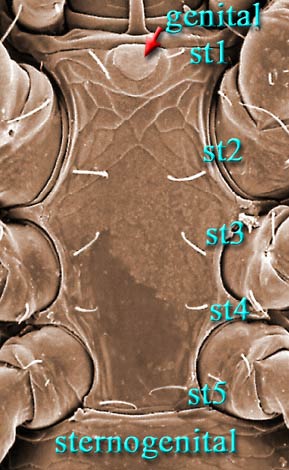
  • Female with 4 pairs of setae on a well sclerotized sternal shield
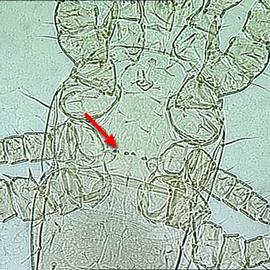
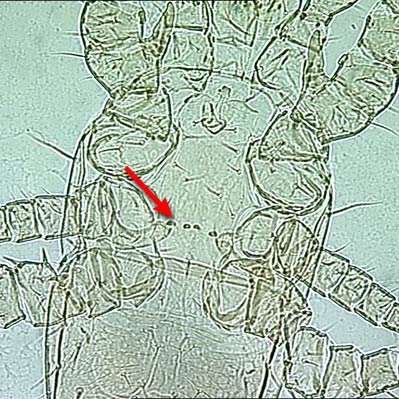
  • 4 scleronoduli rarely present
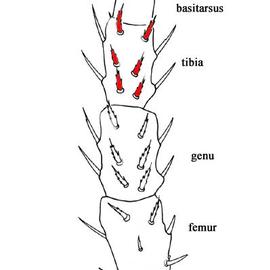
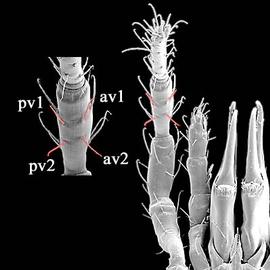
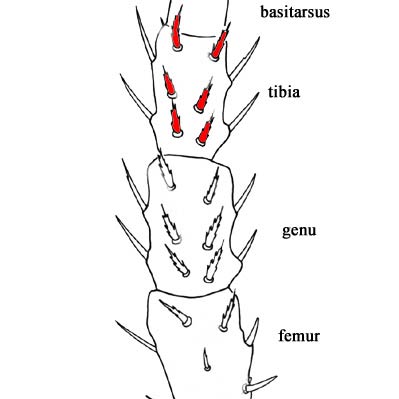
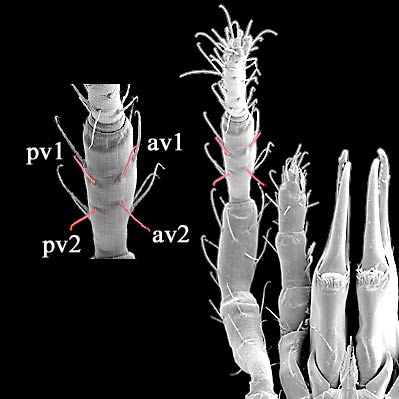
  • Tibia I and genu I each with 6/4 dorsal/ventral setae

Diagnosis

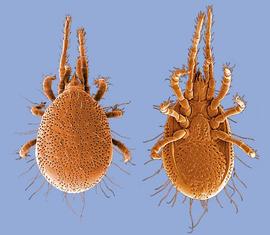
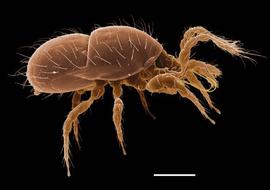
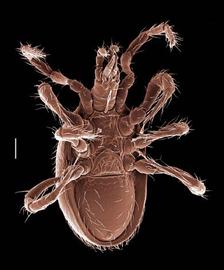
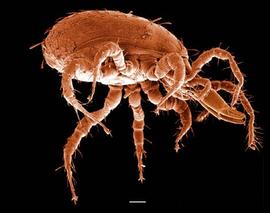
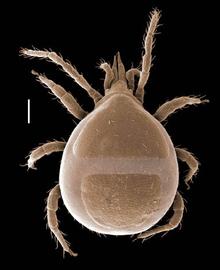
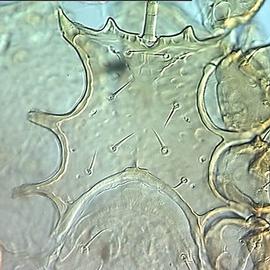
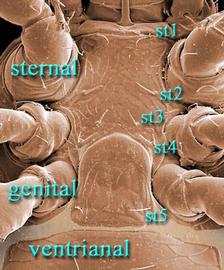
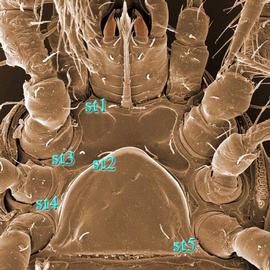
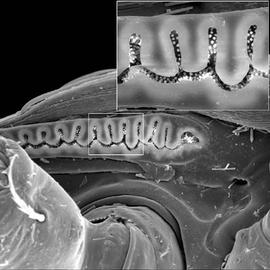
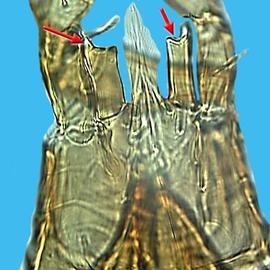
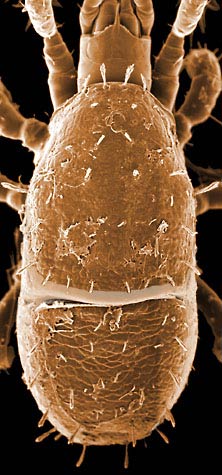
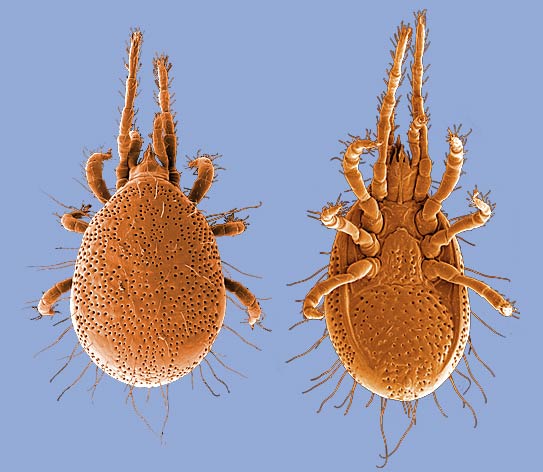
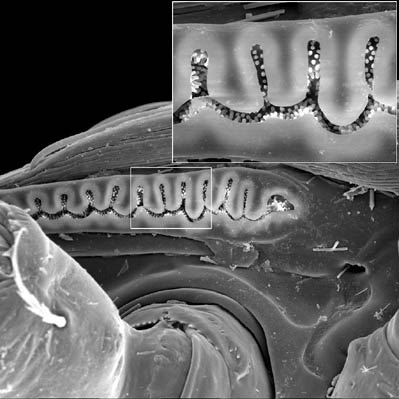
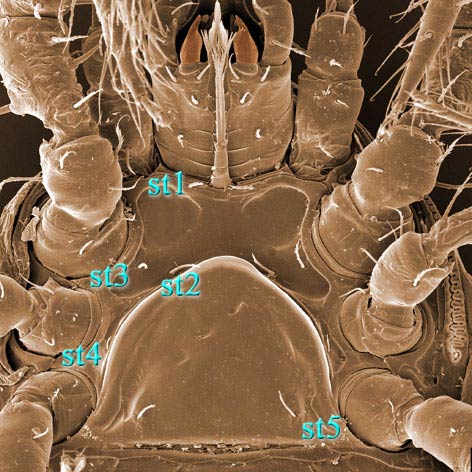
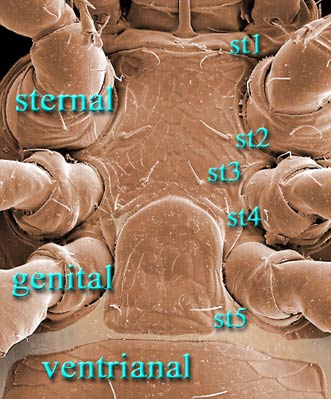
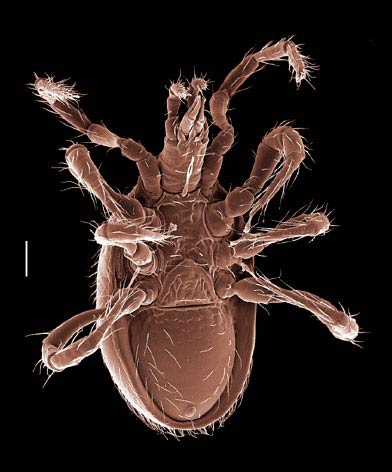
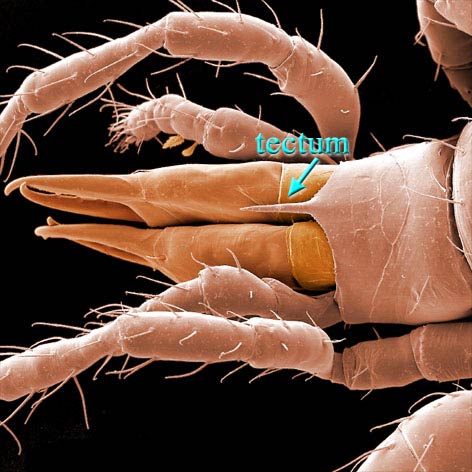
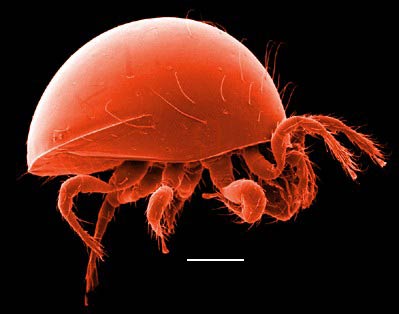
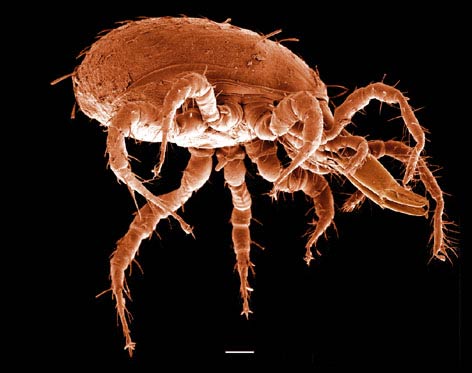
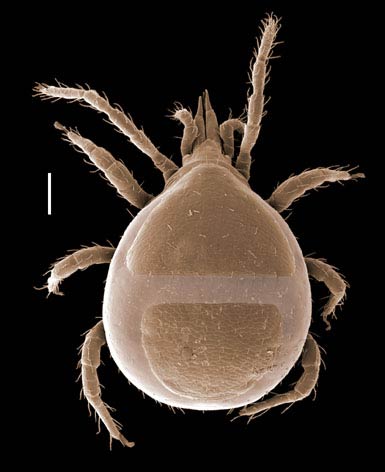
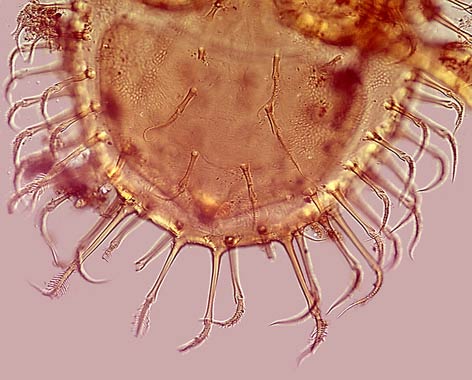
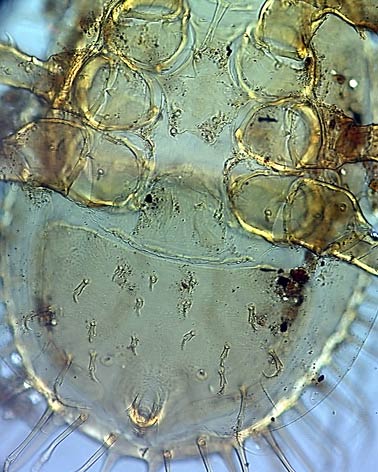
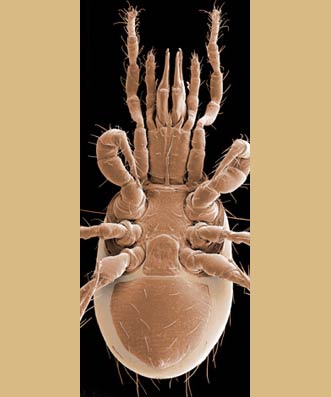
Tan, brown, orange or reddish dermanyssine mesostigmatans. Females with separate podonotal and opisthonotal shields, fused to smoothly holodorsal shield, or beetle-like all encompassing armor, rarely encased in a layer of soil; males with holodorsal shield. Peritremes typical running past coxa I, sometimes chambered; peritrematal shields usually well developed. Female with large sternal shield bearing 4 pairs of setae (st1–4) and 3 pairs of lyrifissures (stp1–3), sometimes with arms embracing genital shield; genital shield usually mound-shaped to subrectangular, hinged at level of coxae IV, bearing 1 pair of setae, and free from ventrianal shield. Venter covered by large ventrianal shield, sometimes fused to peritrematal and/or dorsal shields; anal opening with 3 circumanal setae. Tarsus I slender, sometimes elongate, with or without claws; trochanter I with 6 setae; tibia I with 6 dorsal and 4 ventral setae; genu IV with 5 dorsal and 2 ventral setae. Chelicerae various, especially chelate-dentate and snapping; movable digit without excrescences. Palp genu with 6 setae, palp apotele 3-tined; corniculi usually horn-like, rarely truncate and toothed; internal male highly divided. Tritosternum biflagellate, with columnar base. Tectum various, but typically including an elongate median process. Female sperm induction pores at base of coxae IV, on coxae IV, on coxae or trochanters III, or other sites; sperm ducts lead to unpaired, central spermathecal sack (laelapid type). Males with genital opening at base of tritosternum in sternogenital shield; spermatodactyl simple and finger-like to extremely complex; legs II commonly with femoral spur. Deutonymphs with divided dorsal shield, rarely with acrotarsus (Euryparasitus), sometimes phoretic on mammals.
Similar taxa

The various families in the Rhodacaroidea are usually easy to distinguish from other Mesostigmata by their entire sternal shields with 4 pairs of setae and 6/4 dorsal/ventral setation of tibia I. In Rhodacaridae, most of which are small, lightly sclerotized mites, the anterior margin of the sternal shield is usually membranous to about the level of st1. Digamasellidae have a highly reduced leg chaetome and a distinctive tectum with a subdorsal median tine. Species of both Australian Rhodacaridae (except Protogamasellopsis) and Digamasellidae (Digamasellus) usually have 3–4 scleronoduli, but I know of only 1 undescribed Australian ologamasid with these light refracting podonotal structures. Some Pachylaelapidae and Parholaspididae may have sternal shields that 'capture' st4, but both families have highly reduced leg chaetomes.

Ecology and distribution

Ologamasids are the dominant predatory mesostigmatans in forest litter in the Southern Hemisphere, but few species have been studied in detail (see Lee 1973, 1974). Most are considered free-living predators, but species of Cyrtolaelaps and Euryparasitusare are associated with mammal nests and their deutonymphs are phoretic on the nest builders. Also, deutonymphs of the aberrant genera Iphidosoma (often assigned to the Eviphididae) and Epiphis (often Rhodacaridae) are found on carabid beetles, and the former sometimes on sciarid flies.

References

  • Antony 1986Antony 1986:
    Antony LMMKD. 1986. A phylogenetic analysis of the Rhodacaroidea (Acari: Mesostigmata) [Doctoral dissertation, The Ohio State University]. Dissertation Abstracts International 47: 4047B.
  • Evans and Till 1979Evans and Till 1979:
    Evans EO, Till WM. 1979. Mesostigmatic mites of Britain and Ireland (Chelicerata: Acari-Parasitiformes): An introduction to their external morphology and classification. Transactions of the Zoological Society of London 35 (2): 145–270.
  • Gilyarov and Bregatova 1977Gilyarov and Bregatova 1977:
    Gilyarov MS, Bregatova NG, eds. 1977. Handbook for the identification of soil-inhabiting mites, Mesostigmata. Zoological Institute of the Academy of Sciences, Petrograd.
  • Krantz 1978Krantz 1978:
    Krantz GW. 1978. A manual of acarology [2nd ed.]. Oregon State University Book Stores, Corvallis.
  • Krantz and Ainscough 1990Krantz and Ainscough 1990:
    Krantz GW, Ainscough B. 1990. Mesostigmata. pp. 583–665. In: Dindal DL, ed. Soil biology guide. John Wiley & Sons, Brisbane.
  • Lee 1966Lee 1966:
    Lee DC. 1966. New species of Ologamasus Berlese (Acari: Rhodacaridae) from Australia and New Zealand. Records of the South Australian Museum 15: 205–235.
  • Lee 1967Lee 1967:
    Lee DC. 1967. Heterogamasus Trägårdh (Acari: Rhodacaridae), including the subgenus Evanssellus Ryke, stat. n. Records of the South Australian Museum 15: 497–512.
  • Lee 1970Lee 1970:
    Lee DC. 1970. The Rhodacaridae (Acari: Mesostigmata); classification, external morphology and distribution of genera. Records of the South Australian Museum 16: 1–219.
  • Lee 1973aLee 1973a:
    Lee DC. 1973a. Rhodacaridae (Acari: Mesostigmata) from near Adelaide, Australia. I. Systematics. Records of the South Australian Museum 16: 1–36.
  • Lee 1973bLee 1973b:
    Lee DC. 1973b. Rhodacaridae (Acari: Mesostigmata) from near Adelaide, Australia. II. Ecology. Transactions of the Royal Society of South Australia 97: 139–151.
  • Lee 1974Lee 1974:
    Lee DC. 1974. Rhodacaridae (Acari: Mesostigmata) from near Adelaide, Australia. III. - Behaviour and development. Acarologia 16: 21–44.
  • Lee 1977Lee 1977:
    Lee DC. 1977. Nomenclatural status of Cyrtolaelapidae, Ologamasinae and Gamasellinae (Acari: Mesostigmata). Journal of the Australian Entomological Society 16: 297–299.
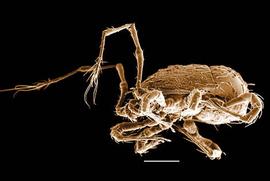
 Gamasiphis  sp. (Dew)
Gamasiphis sp. (Dew)
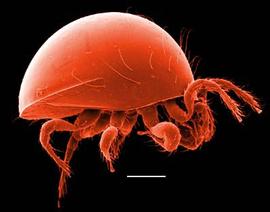
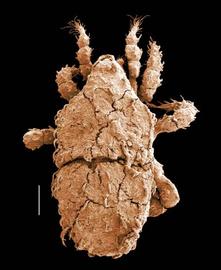
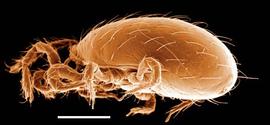
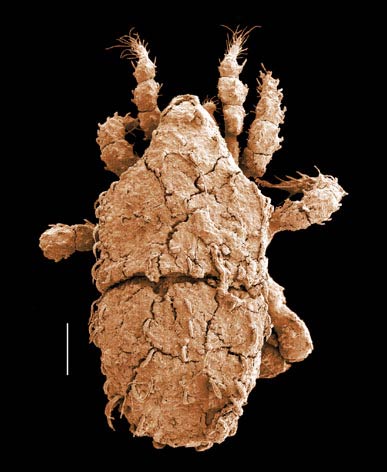
Beetle-like all encompassing armor;  Gamasiphis  dorsal (DEW)
Beetle-like all encompassing armor; Gamasiphis dorsal (DEW)
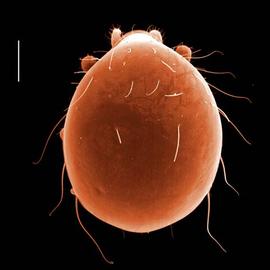
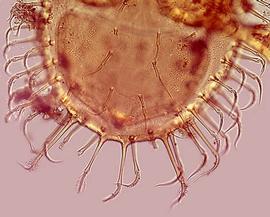
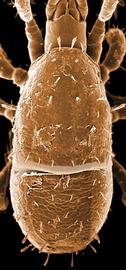
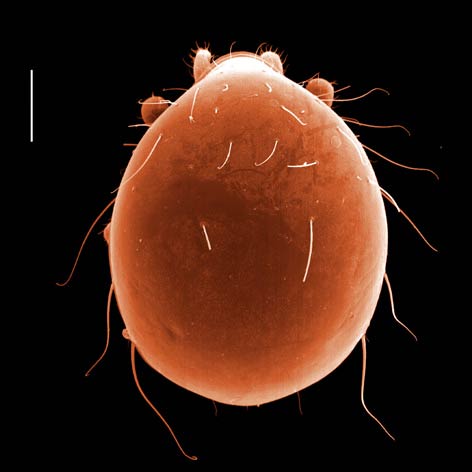
Ologamasid   species holodorsal shield (DEW)
Ologamasid species holodorsal shield (DEW)
 Athiasella  sp. (DEW)
Athiasella sp. (DEW)
Male ologamasid holodorsal shield (DEW)
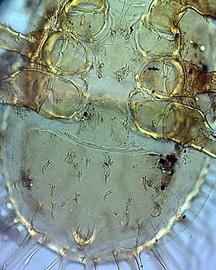
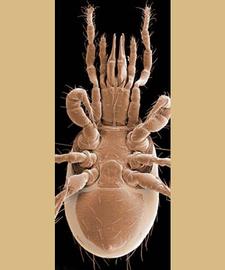
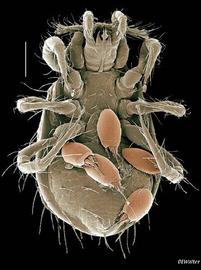
Venter covered by large ventrianal shield;  Antennolaelaps  sp. (DEW)
Venter covered by large ventrianal shield; Antennolaelaps sp. (DEW)
 Pyriphis  sp. (DEW)
Pyriphis sp. (DEW)
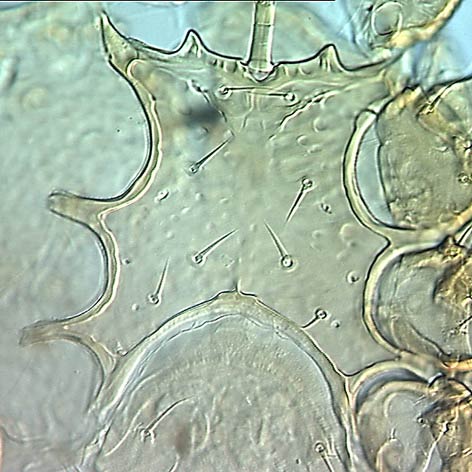
 Calliphis  deutonymph (DEW)
Calliphis deutonymph (DEW)
 Euepicrius  sp. sternal shield (DEW)
Euepicrius sp. sternal shield (DEW)
 Gamasellus falcifer  group mite encased in soil (DEW)
Gamasellus falcifer group mite encased in soil (DEW)
 Gamasellus  soil layer removed (DEW)
Gamasellus soil layer removed (DEW)
 Gamasellus  ventral shields with soil layer removed (DEW)
Gamasellus ventral shields with soil layer removed (DEW)
 Athiasella  female venter (DEW)
Athiasella female venter (DEW)
Genital shield subrectangular;  Athiasella  female sternal-genital region
Genital shield subrectangular; Athiasella female sternal-genital region
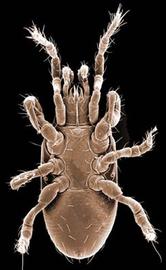
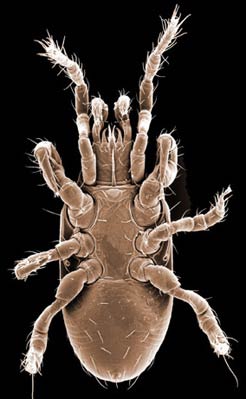
 Athiasella  male venter (DEW)
Athiasella male venter (DEW)
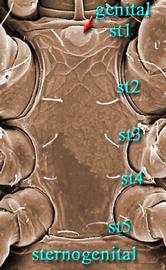
 Athiasella  male sternogential shield (DEW)
Athiasella male sternogential shield (DEW)
 Euepicrius  sp. (DEW)
Euepicrius sp. (DEW)
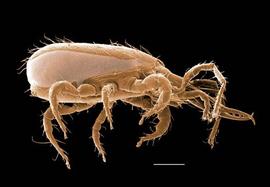
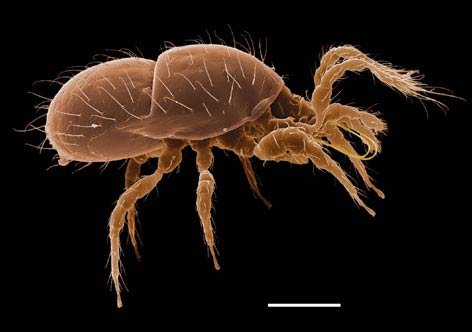
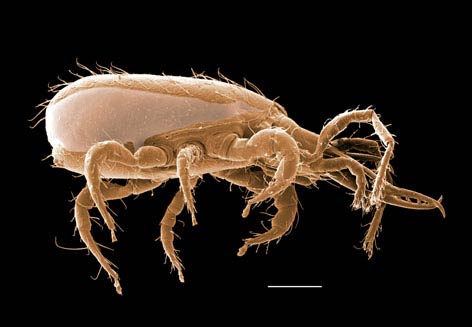
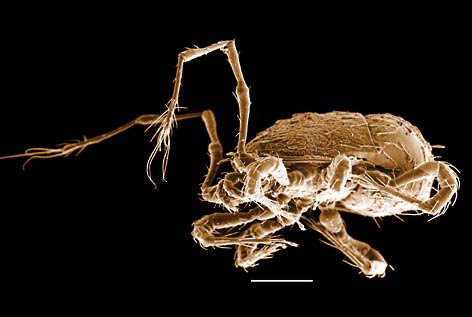
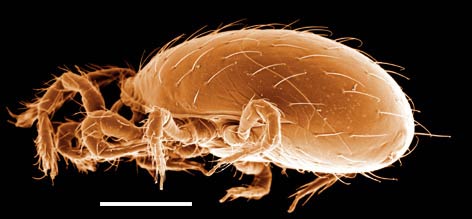
 Gamasiphis  lateral (DEW)
Gamasiphis lateral (DEW)
Separate podonotal and opisthonotal shields;  Acugamasus  female dorsum (DEW)
Separate podonotal and opisthonotal shields; Acugamasus female dorsum (DEW)
Arms embracing genital shield;  Antennolaelaps  female intercoxal region (DEW)
Arms embracing genital shield; Antennolaelaps female intercoxal region (DEW)
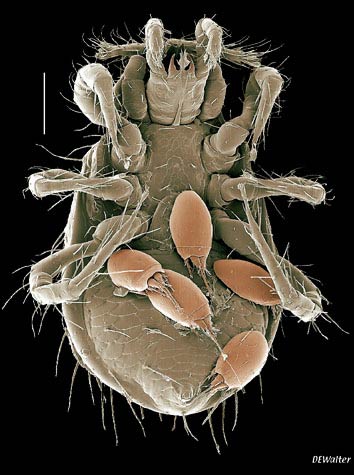
 Ologamasid bearing acarid hypopi (DEW)
Ologamasid bearing acarid hypopi (DEW)
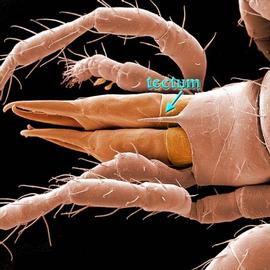
Tectum with elongate median process;  Athiasella  gnathotectum (tectum) (DEW)
Tectum with elongate median process; Athiasella gnathotectum (tectum) (DEW)
6/4 dorsal/ventral setae
Digamasellidae ( Digamasellus ) usually have 3–4 scleronoduli
Digamasellidae (Digamasellus) usually have 3–4 scleronoduli
Peritremes chambered
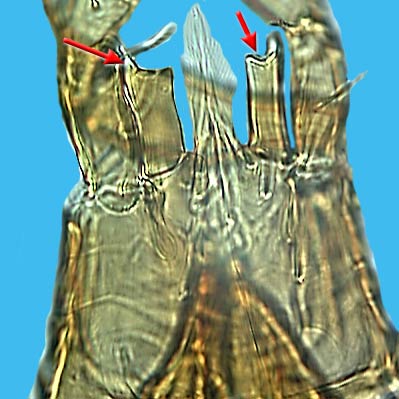
Corniculi truncate and toothed