t
Pergamasinae Juvara-Balş 1972
Superorder Parasitiformes » Order Mesostigmata » Suborder Monogynaspida » Infraorder Gamasina » Hyporder Parasitiae » Superfamily Parasitoidea » Family Parasitidae » Subfamily Pergamasinae
Amblygamasus Berlese, Cycetogamasus Athias-Henriot, Holoparasitus Oudemans, Heteroparasitus Juvara-Bals, Medioparasitus Juvara-Bals, Ologamasiphis Athias-Henriot, Pergamasus Berlese, Paragamasus Hull
Holodorsal shield separate from ventral opisthogastric shield posteriorly.............................. 2
- Dorsal shield fused to opisthogastric shield posteriorly.............................. Holoparasitus
Tarsus I with claws and pulvillus; holodorsal covering most of opisthosoma and bearing >20 pairs of setae.............................. 3
- Tarsus I without claws and pulvillus; opisthonotal region of holodorsal shield reduced laterally and posteriorly and bearing <12 pairs of setae.............................. Pergamasellus
Opisthonotal region of holodorsal shield hypertrichous, with >30 pairs of setae.............................. 4
- Opisthonotal region of holodorsal shield with <25 pairs of setae.............................. Paragamasus
Holodorsal and peritrematal shields completely fused.............................. Amblygamasus
- Peritrematal shields cseparate from dorsal shield posteriorly.............................. Pergamasus
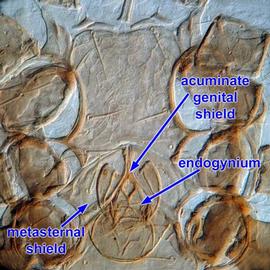
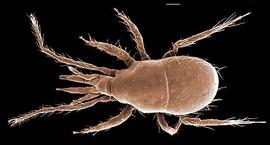
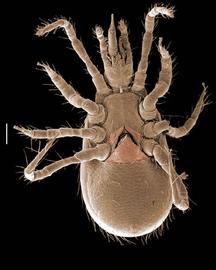
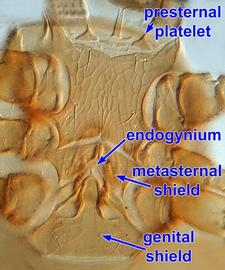
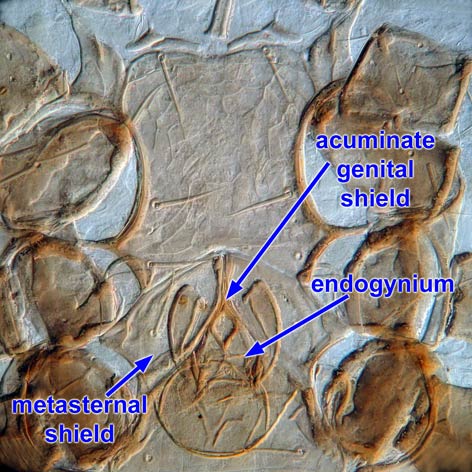
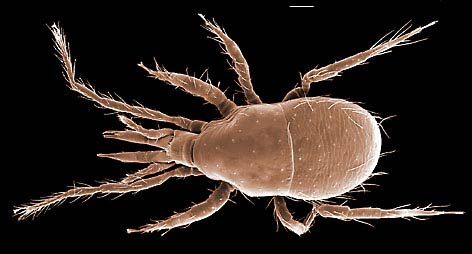
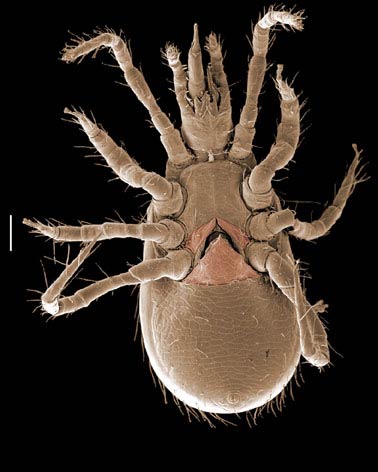
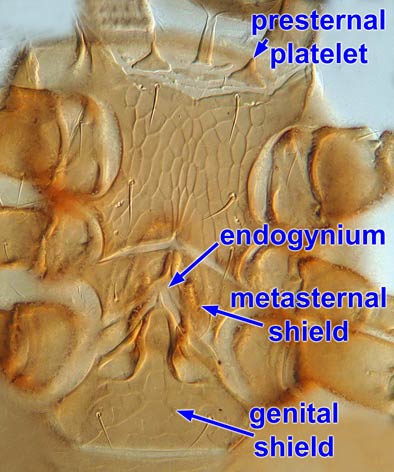
Dorsal shield entire in both sexes and divided in deutonymphs. Peritrematal shield fully fused to dorsal shield. Female sternal shield with three pairs of setae; genital shield sharply triangular, flanked by large metasternal shields, and abutting or fused to a ventrianal shield that is variously fused with peritrematal and other shields. Tibia I typically with four ventral setae, six dorsal setae, and two al setae (2 3/2 3/2 2); tibia III with eight or nine setae (2 1/1 2/1 1(2)); chaetotaxy of genu IV (2 2/1 3/1 1). Palptarsal apotele 3-tined. Female often with an elaborate endogynium. Male with presternal genital aperture on holoventral or sternitigenital shield, and typically with highly developed spurs on legs II; chelicerae with sperm-holding structure (spermatotreme) which is coalesced distally with movable digit. Larva without pygidial shield; protonymphal pygidial shield reduced laterally, generally with 4–5 pairs of setae (without setae S4–S5), or shield sometimes absent.
Similar taxa in key. Female Parasitinae have schizodorsal or divided dorsal shields with the dorsal hexagon setae dissimilar in form (usually z5 is larger and ornamented). Veigaiidae may be superficially similar, but have anal shields, a scale-like process above the palp apotele, often moustache-like internal malae, and a spermatodactyl that is free distally on the male chelicerae.
Similar taxa in key. Most members of the suborder Trigynaspida have three shields around the genital opening, but retain setae av4 and pv4 on an intercalary sclerite and excrescences on the movable digit.
Soil-inhabiting predators of small arthropods and other invertebrates. Most species appear to be bisexual and diplodiploidy has been demonstrated in the group. Phoresy is not known in the Pergamasinae.
Author: David E. Walter
Content last updated Sept. 2006, unless indicated otherwise
Lucid key player updated Sept. 2025
idtools.org