test
Heterostigmata Berlese, 1899
Superorder Acariformes » Order Trombidiformes » Suborder Prostigmata » Infraorder Eleutherengona » Hyporder Heterostigmata
superfamilies: Dolichocyboidea, Heterocheyloidea, Pyemotoidea, Pygmephoroidea, Tarsocheyloidea, Tarsonemoidea, Trochometridioidea
tarsonemids, pygmephorids, scutacarids, pyemotids, straw itch mites, red pepper mites, tracheal mites, broad mite, cyclamen mite.
very high
High. The Heterostigmata contains a couple of important crop pests (broad mite, cyclamen mite) and some pests of ferns, mushroom culture (red pepper mites), and bees (tracheal mites), as well as parasitoids of insects, including those that sometimes bite people (straw itch mites).
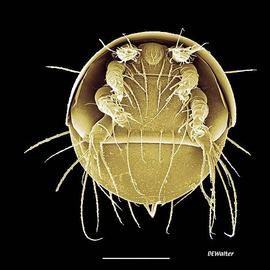
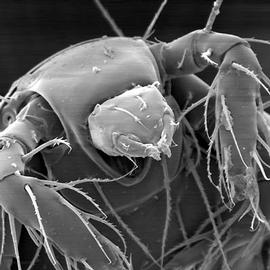
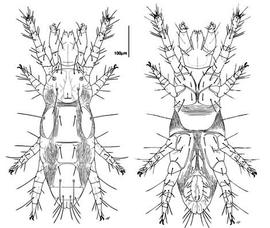
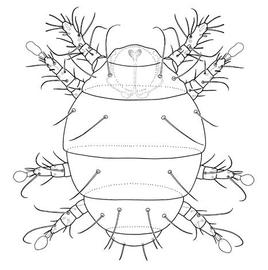
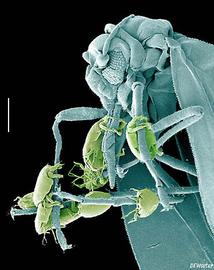
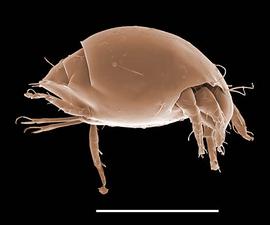
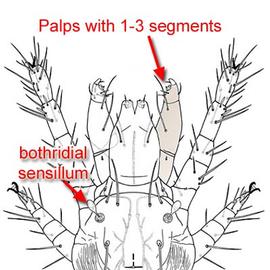
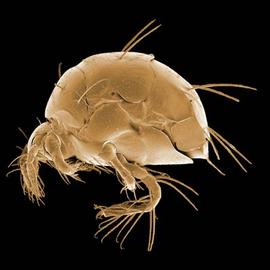
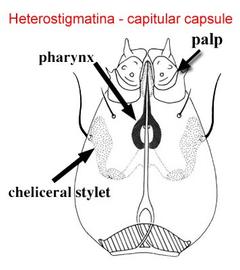
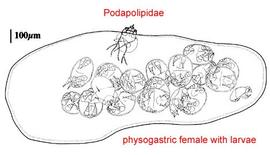
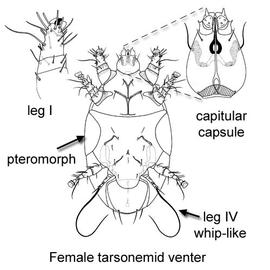
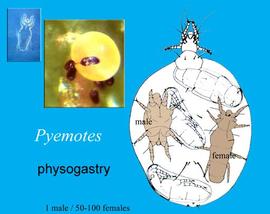
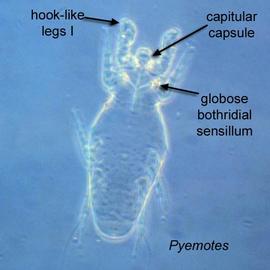
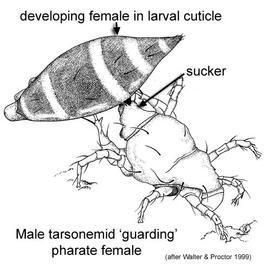
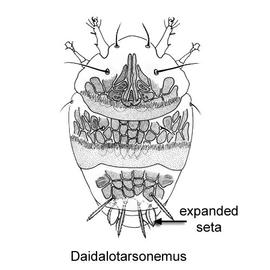
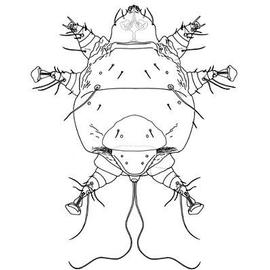
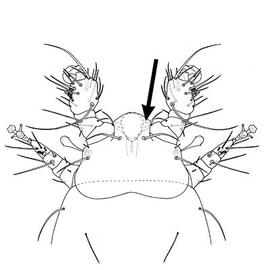
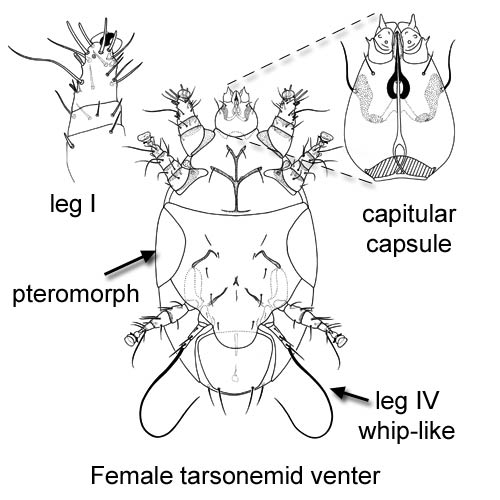
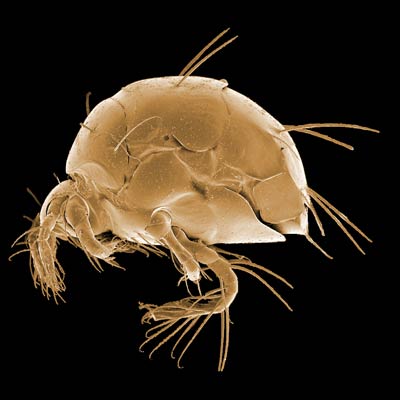
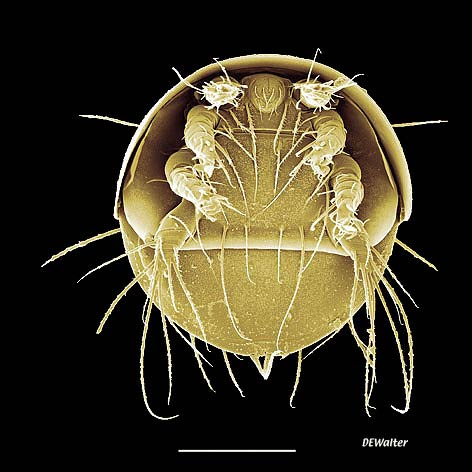
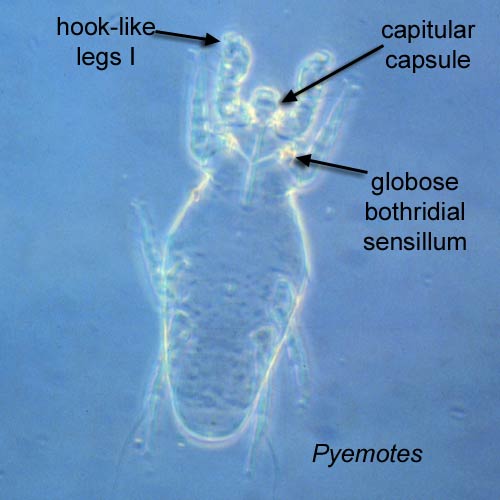
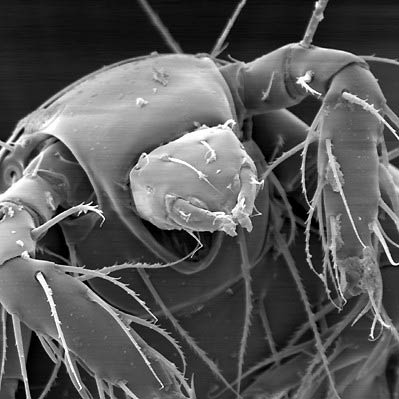
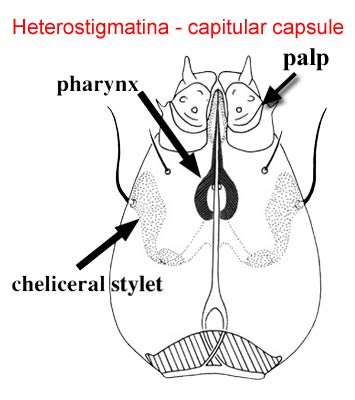
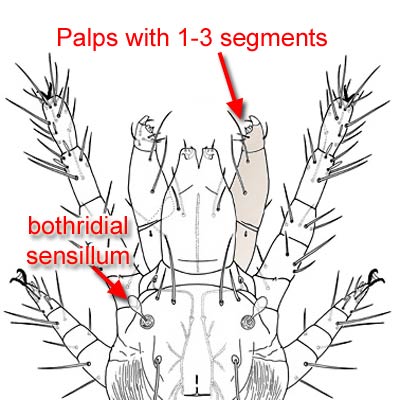
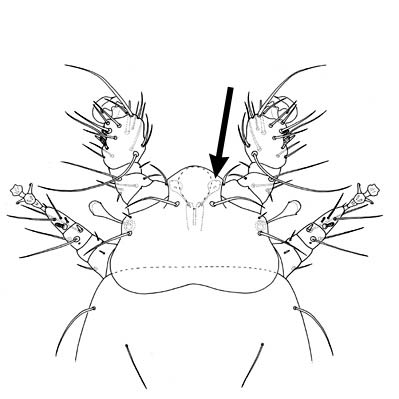
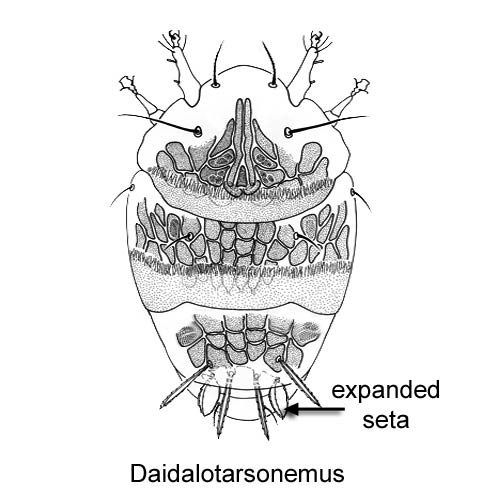
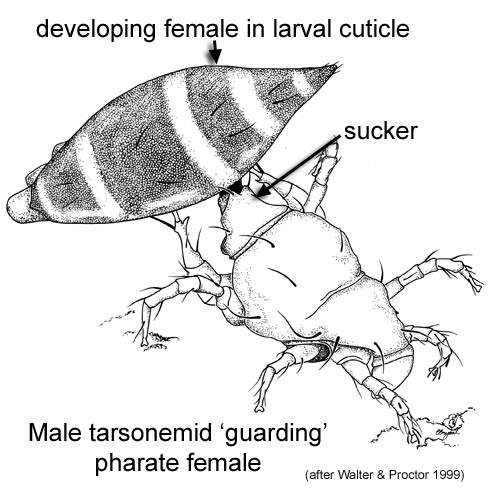
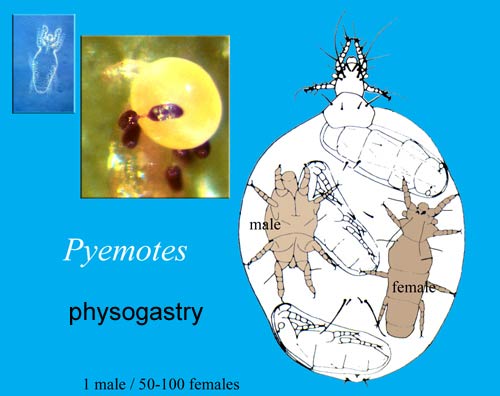
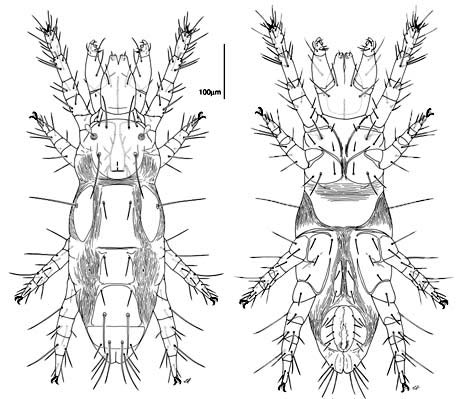
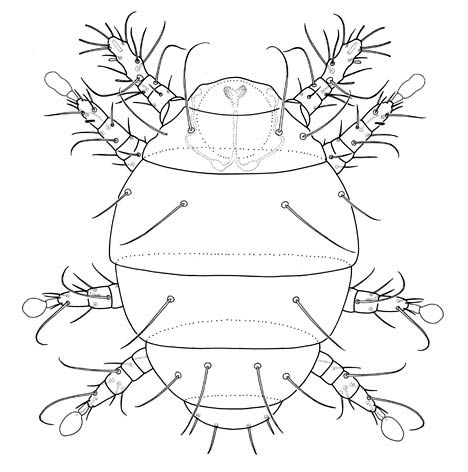
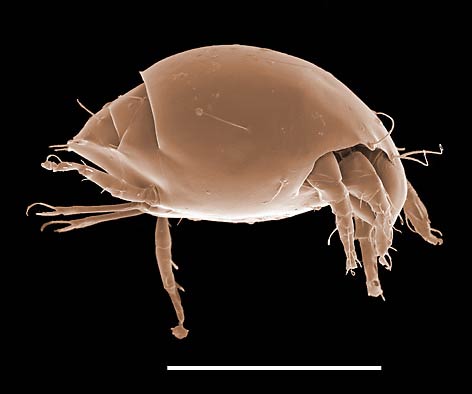
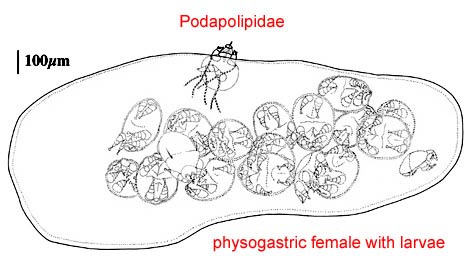
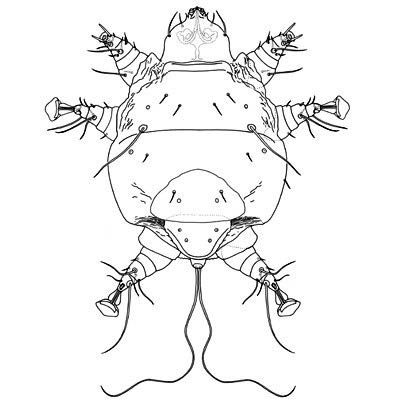
Heterostigmata are minute to medium-sized; usually well armored, with several large dorsal sclerites; white, yellow, or brown in color. Capitulum typically head-like; cheliceral bases fused into a single unit (stylophore) that may or may not be fused with the subcapitulum; fixed digit of the chelicera absent, movable digit blade-like or styletiform. Palps linear and reduced to 3 or fewer segments; palps may appear to be absent. In females stigmata open anterolaterally on the 'shoulders' of the prodorsum, and the single pair of prodorsal trichobothria is capitate; stigmata and trichobothria absent in males (except Tarsocheyloidea); eyes absent. Dorsal setation reduced, usually slender setae, but sometimes expanded, leaf-like. Legs I often with tarsal claw modified as a hook; legs IV in females often reduced or absent; coxal fields fused to varying degrees so that apodemes form cross-like patterns ventrally. Genital papillae absent. Males often with genital sucker for sequestering pharate female. Many species exhibit polymorphism related to phoresy and some are physogastric.
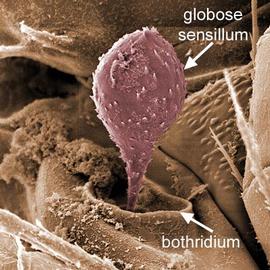
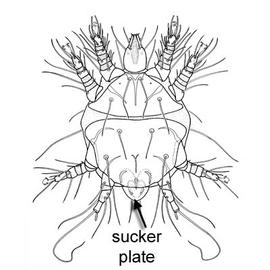
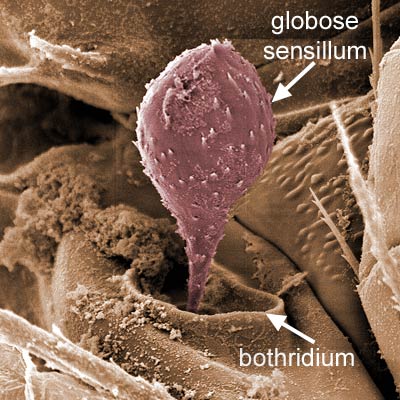
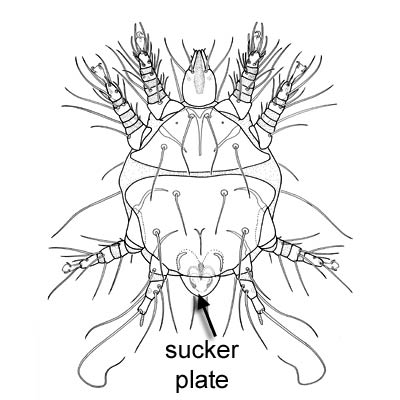
Female Heterostigmata have prodorsal trichobothria (usually clubbed or globose in shape) are usually sclerotized and have a distinctive beige-color similar to astigmatid hypopi (see Astigmata heteromorphic stages fact sheet), but the latter have a ventral sucker plate and lack trichobothria.
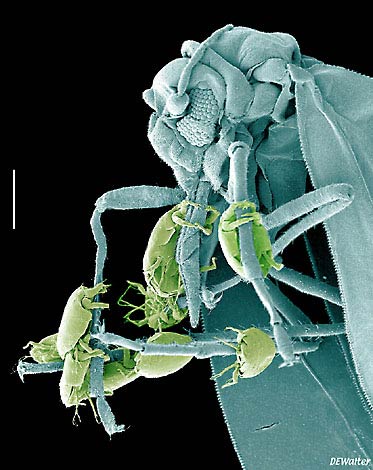
Most families of Heterostigmata are associated with insects or stored products. Tarsocheylids have been collected from the tunnels of bark beetles, beneath the elytra of passalid beetles, as well as from rotting wood. Heterocheylids are also passalid associates. Neither of these taxa is known to feed on their hosts. The interactions of Pygmephoroidea with their hosts are primarily phoretic, and the mites feed on fungus upon reaching their destination. In contrast, many species in the Pyemotoidea are parasites, parasitoids, and predators of insects. They are often found in infested stored products, and their mistaken biting of humans can cause severe itching and allergic reactions ('hay itch', 'straw itch', and 'grocer’s itch'). Female morphs specialised for hanging on to their hosts—phoretomorphs occur in several families of pygmephoroids and pyemotoids. These polymorphisms have caused much taxonomic confusion within the Heterostigmata. Within the Tarsonemoidea, the Podapolipidae are parasites of Coleoptera, Orthoptera and Hymenoptera. The Tarsonemidae have the most varied ecology of the Heterostigmata, sometimes acting as parasites or predators of insects (the most famous of these being the honeybee parasite Acarapis woodi), sometimes as fungivores, and sometimes as plant parasites.
Author: David E. Walter
Content last updated Sept. 2006, unless indicated otherwise
Lucid key player updated Sept. 2025
idtools.org