test
Parhyposomata Grandjean, 1969
Superorder Acariformes » Order Sarcoptiformes » Suborder Oribatida » Infraorder Parhyposomata
superfamily: Parhypochthonioidea
parhypochthonoid and gehypochthonoid oribatids
low
No known quarantine importance.
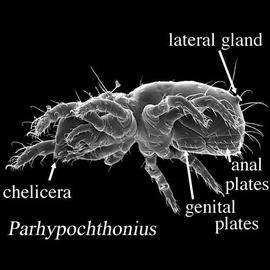
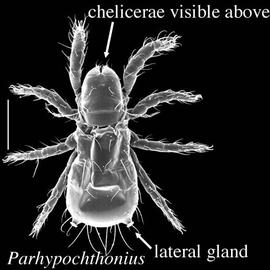
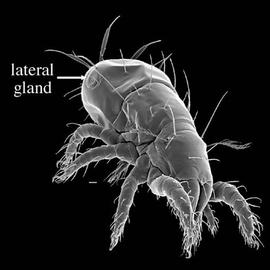
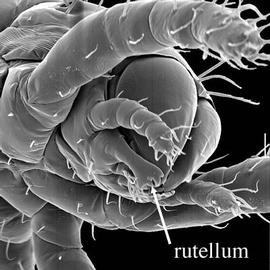
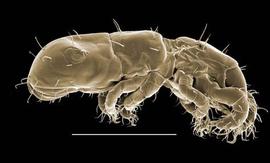
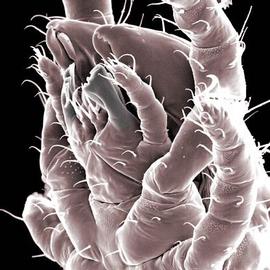
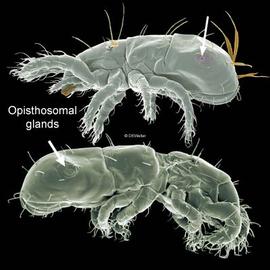
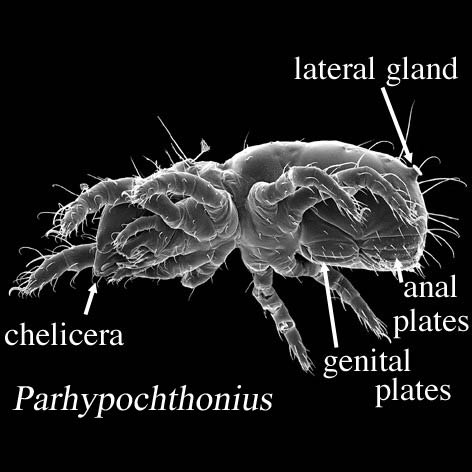
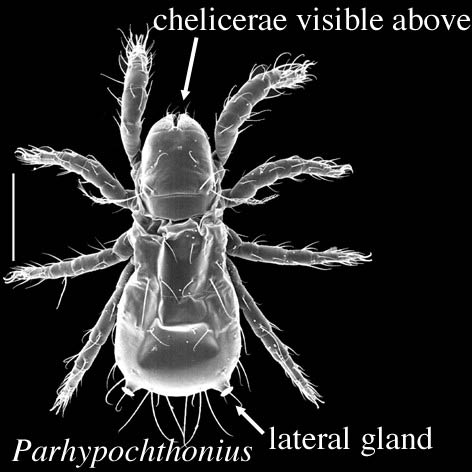
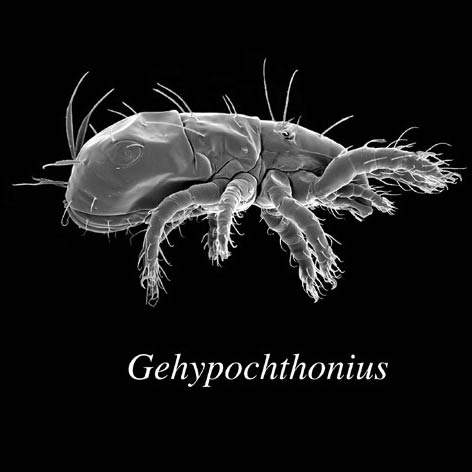
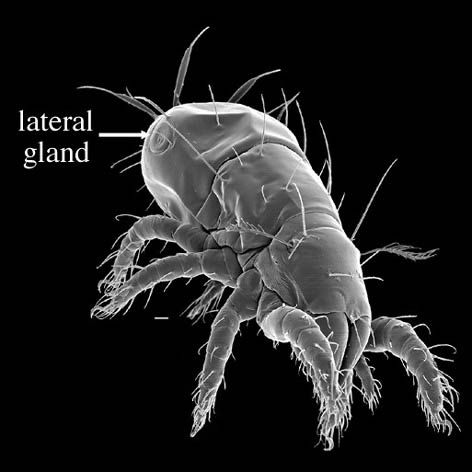
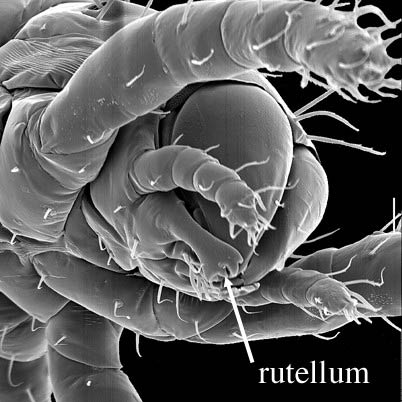
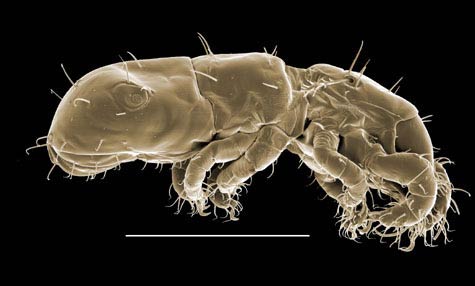
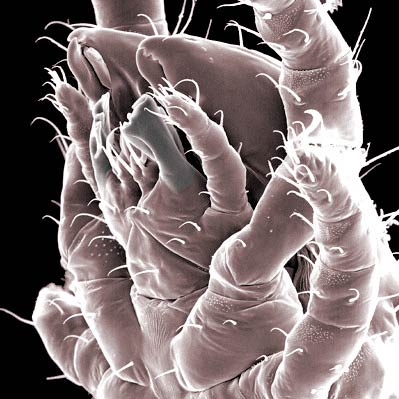
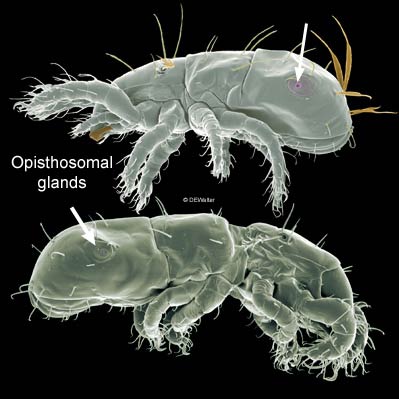
White to tan, sac-like oribatid mites with a transverse suture between setal rows D and E and well developed lateral opisthonotal glands. Subcapitulum usually stenarthric and chelicerae usually visible from above; rutella well developed. Claws of adults bi- or tridactylous; palps with 4–5 free segments. Macropyline, with 3 pairs of genital papillae.
The transverse suture between rows D and E should distinguish parhypochthonioids from oribatid immatures. Astigmatina do not have trichobothria and Palaeosomatides do not have lateral opisthonotal gland openings. Some Brachypylina have large glands, but are well sclerotized as adults.
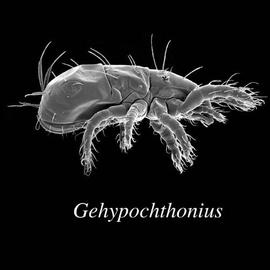
Parhypochthonioids can be common in dry soils, but are usually missed because they resemble immature oribatids. Species of Gehypochthonius species inhabit a number of dry soil types, including dune sand. Parhypochthonius is found in treeholes, often in high numbers.
Author: David E. Walter
Content last updated Sept. 2006, unless indicated otherwise
Lucid key player updated Sept. 2025
idtools.org