Monogynaspida

Major mite taxa

test

Taxonomy

updated 2025

Name

Monogynaspida Camin & Gorirossi, 1955

Classification

Superorder Parasitiformes » Order Mesostigmata » Suborder Monogynaspida

Children

infraorders: Gamasina, Uropodina

Common names

gamasines, uropodines (turtle mites, tortoise mites), parasitines, ascids, phytoseiids, predatory mites

Probability of encounter

high

Quarantine importance

Most of the Mesostigmata encountered in quarantine intercepts are likely to be members of the Monogynapsida, including many species parasitic on birds (e.g., poultry mites), mammals (e.g., rat mites), reptiles (e.g., the snake mite), and bees (e.g, Varroa, Tropilaelaps); predatory mites used in biocontrol; flower mites; stored product predators; and predatory soil mites. Some of the vertebrate parasites (Dermanyssoidea) vector disease.

Diagnosis

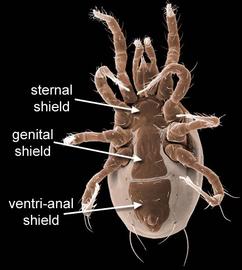
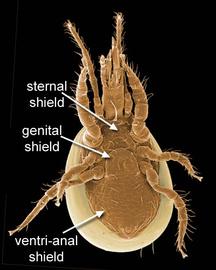
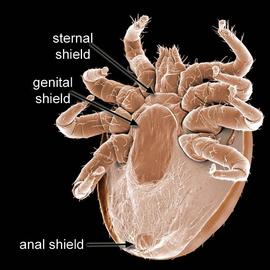
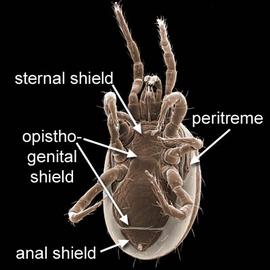
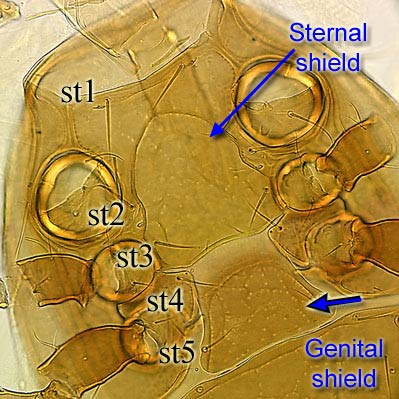
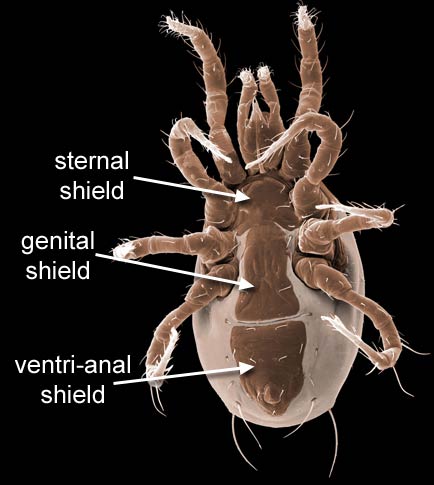
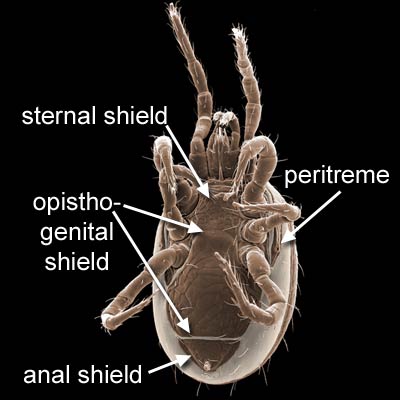
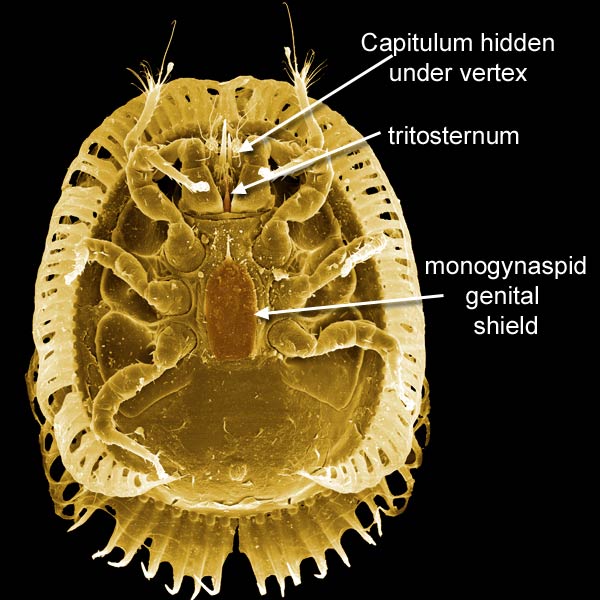
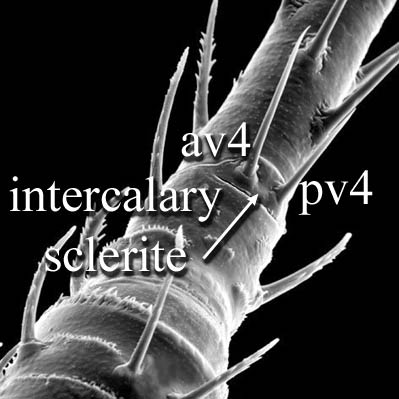
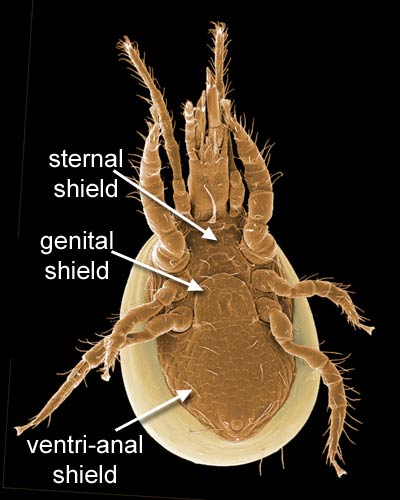
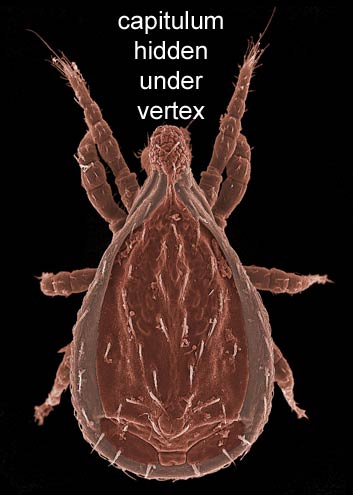
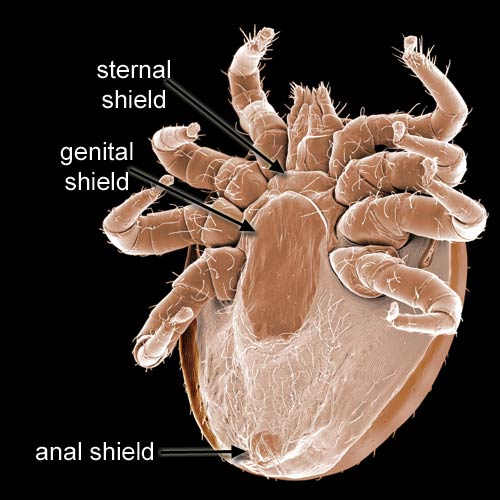
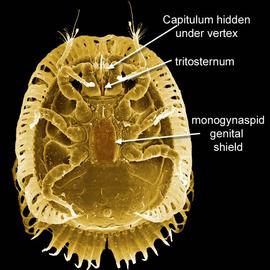
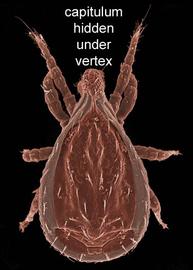
Mesostigmata with the adult female having a single genital shield covering the ovipore and bearing 0–1 (rarely 2) pairs of genital setae; genital shield truncate or rounded posteriorly, sometimes extending over venter and incorporating ventral setae; other ventral shields highly variable. Tarsus IV without intercalary sclerite bearing setae av4/pv4. Capitulum exposed or hidden under vertex.

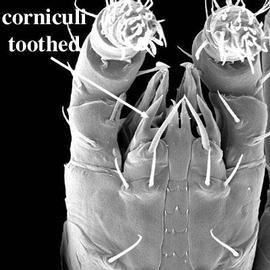
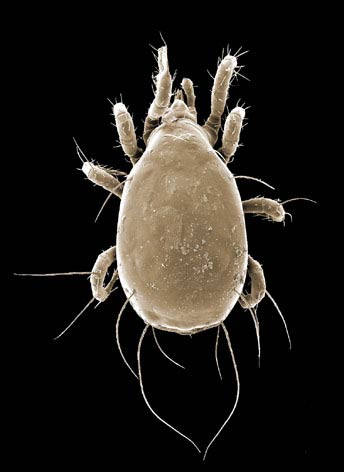
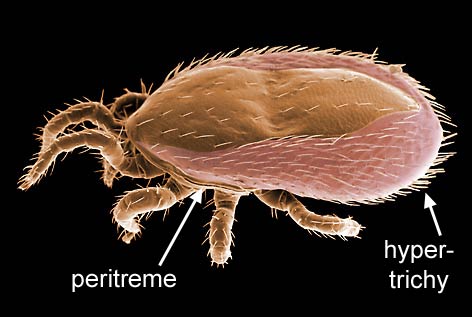
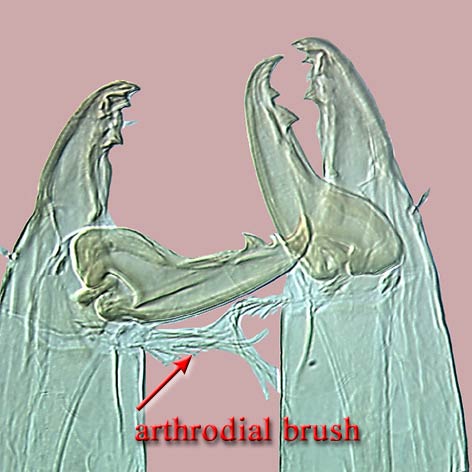
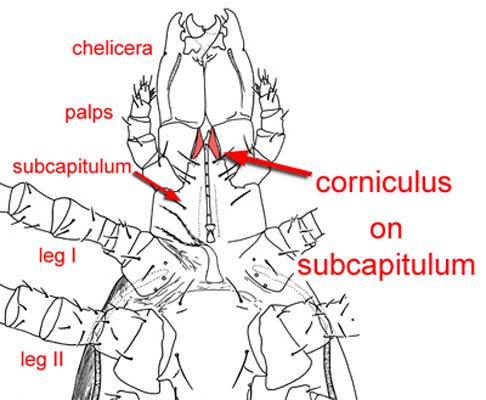
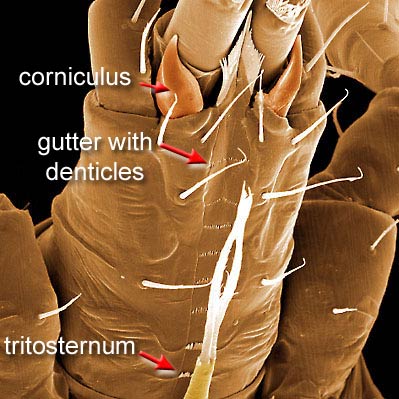
Body chaetome variable, sometimes hypertrichous but usually with 65 or fewer pairs of setae; dorsal shielding entire (holodorsal) or fragmented with variously formed podonotal, mesonotal and pygidial shields or divided into two subequal shields (podonotal, opisthonotal). Unpaired, postanal seta usually present in all stages. Chelicerae various; movable digit without excrescences except in Microgyniina, but arthrodial corona or brush may be present; palp genu with 6 or fewer setae. Corniculi horn-like, bifurcate, or rarely truncate; hypostomal groove usually broad and with 1-many denticles; epistome various. Males with genital opening mid-coxal or at base of tritosternum; movable digit with or without spermatodactyl or spermatotreme; legs II and IV often with tubercles.

Similar taxa

Trigynaspida usually have 2–4 distinct genital shields, cheliceral excrescences, and an intercalary sclerite bearing setae av4/pv4; Sejina have av4/pv4 and a single large genital shield that usually bears 3 or more pairs of setae.

Ecology and distribution

Monogynaspides accounts for most of the 12,000 or so described species of Mesostigmata and are found on every continent, including two species known from Antarctica. Most species are either free-living predators or parasites of vertebrates and invertebrates, but others are fungivores, scavengers, or feed on pollen or nectar.

References

  • Evans and Till 1979Evans and Till 1979:
    Evans EO, Till WM. 1979. Mesostigmatic mites of Britain and Ireland (Chelicerata: Acari-Parasitiformes): An introduction to their external morphology and classification. Transactions of the Zoological Society of London 35 (2): 145–270.
  • Gilyarov and Bregatova 1977Gilyarov and Bregatova 1977:
    Gilyarov MS, Bregatova NG, eds. 1977. Handbook for the identification of soil-inhabiting mites, Mesostigmata. Zoological Institute of the Academy of Sciences, Petrograd.
  • Johnston 1982bJohnston 1982b:
    Johnston DE. 1982b. Mesostigmata. pp. 112–116. In: Parker SP, ed. Synopsis and classification of living organisms, Vol. 2. McGraw-Hill, New York.
  • Karg 1993Karg 1993:
    Karg W. 1993. Acari (Acarina), Milben Parasitiformes (Anactinochaeta) Cohors Gamasina Leach, Raubmilben. Die Tierwelt Deutschlands 59: 1–523.
  • Krantz 1978Krantz 1978:
    Krantz GW. 1978. A manual of acarology [2nd ed.]. Oregon State University Book Stores, Corvallis.
  • Krantz and Ainscough 1990Krantz and Ainscough 1990:
    Krantz GW, Ainscough B. 1990. Mesostigmata. pp. 583–665. In: Dindal DL, ed. Soil biology guide. John Wiley & Sons, Brisbane.
  • Walter and Proctor 1999Walter and Proctor 1999:
    Walter DE, Proctor HC. 1999. Mites: Ecology, evolution and behaviour. University of NSW Press, Sydney and CABI, Wallingford. 494 pp.
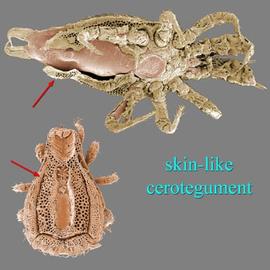
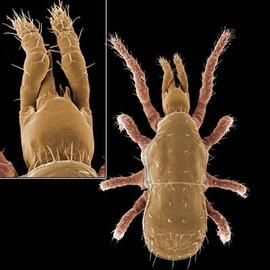
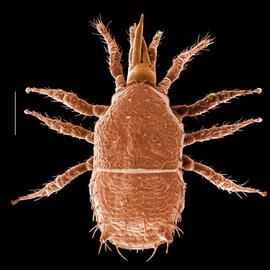
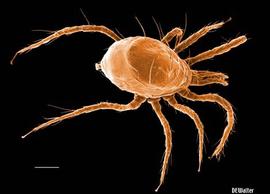
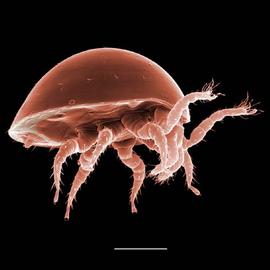
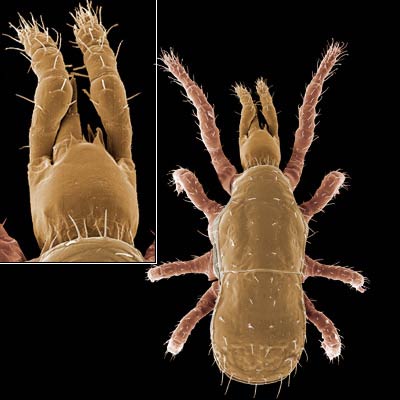
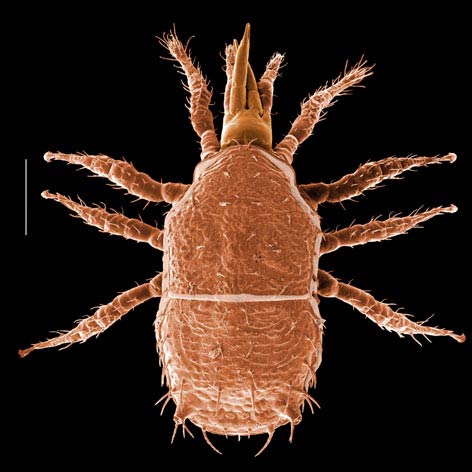
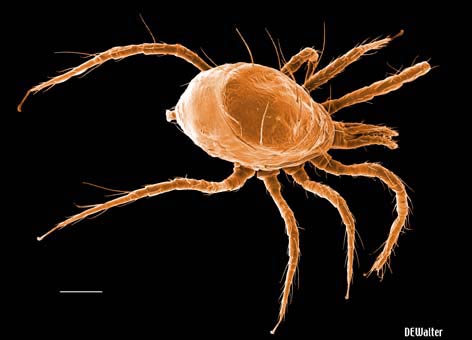
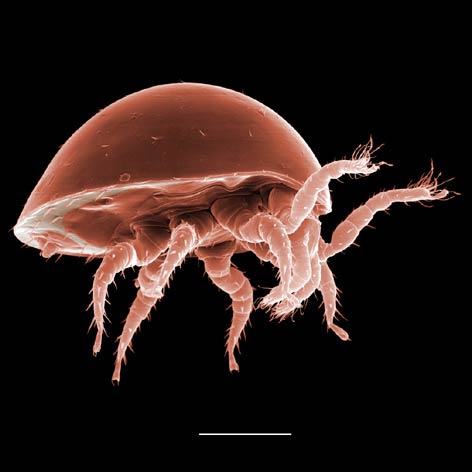
Uropodine mites (DEW)
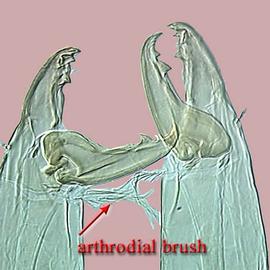
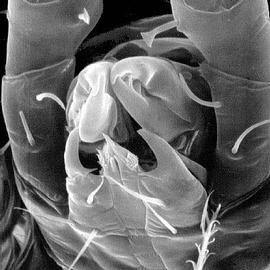
Macrochelid chelicerae and arthrodial brush (DEW)
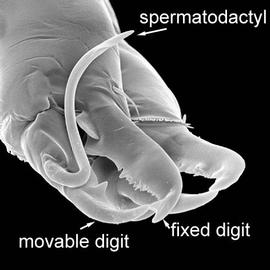
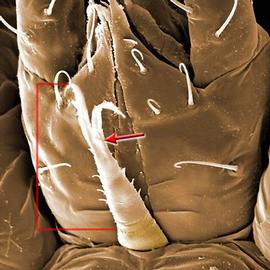
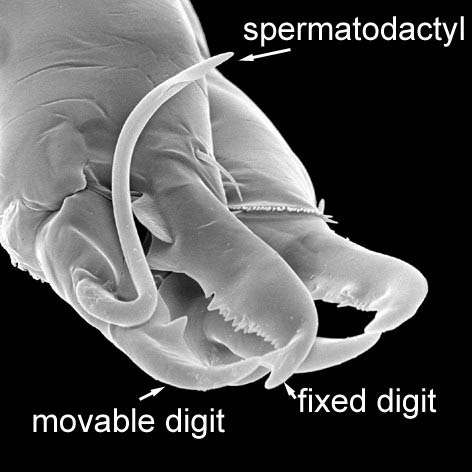
Spermatodactyl (DEW)
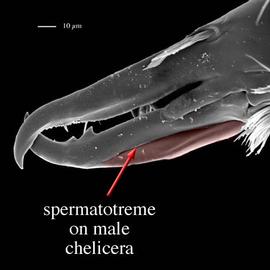
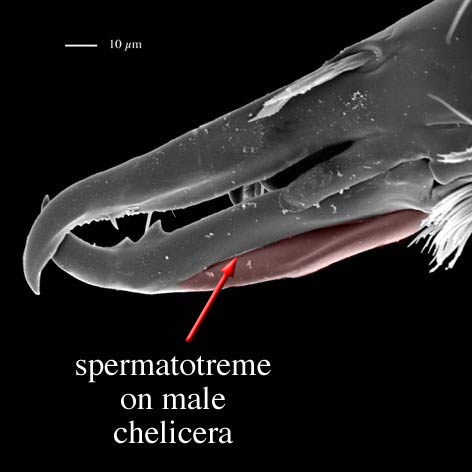
Spermatotreme (DEW)
Spermatotreme (DEW)
 Gamasellodes  sp. (DEW)
Gamasellodes sp. (DEW)
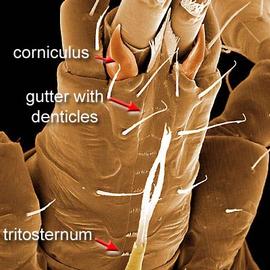
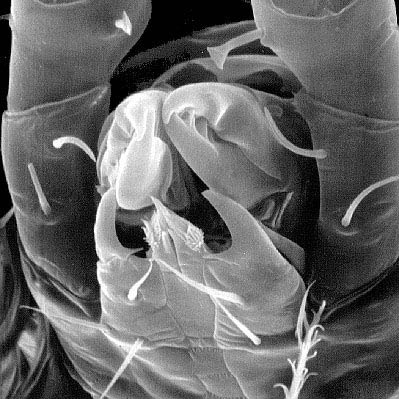
Bifurcate corniculi,  Proctolaelaps  (DEW)
Bifurcate corniculi, Proctolaelaps (DEW)
Horn-like corniculi,  Lasioseius  (DEW)
Horn-like corniculi, Lasioseius (DEW)
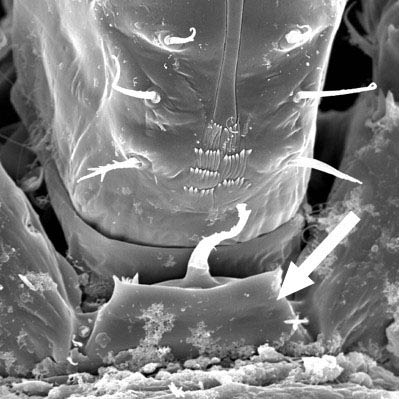
Rectangular base (DEW)
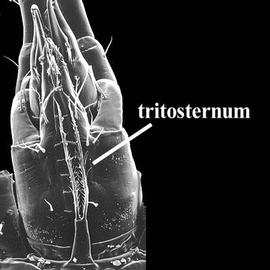
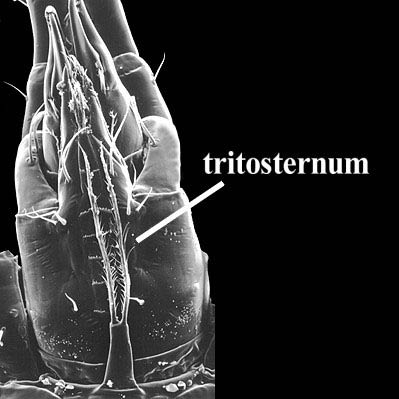
Tritosternum (DEW)
Tritosternum (DEW)
Partially fused laciniae (DEW)
 Asca  divided shield (DEW)
Asca divided shield (DEW)
 Neoseiulus  (DEW)
Neoseiulus (DEW)
Zerconid (DEW)
Zerconid (DEW)
 Heatherella  (DEW)
Heatherella (DEW)
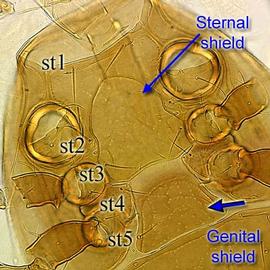
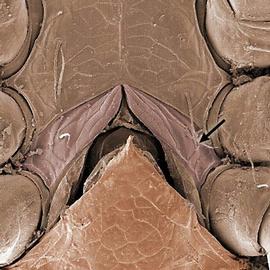
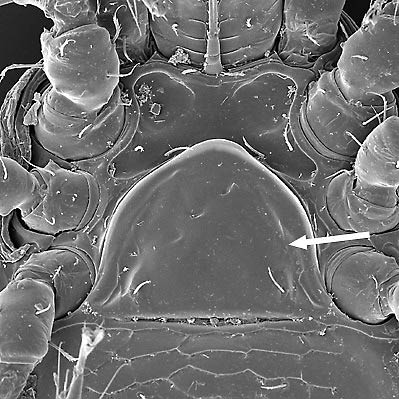
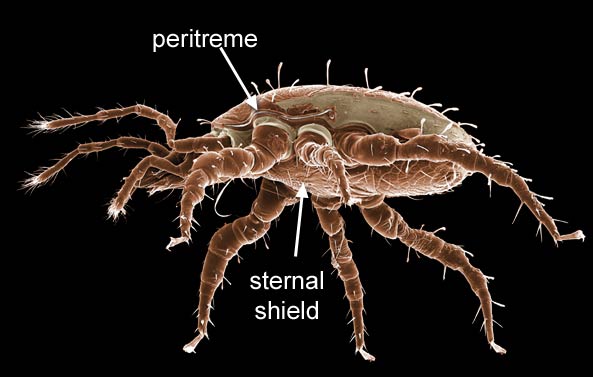
Pachylaelapid sternal shield and showing a single genital shield (DEW)
Ologamasid (DEW)
Ologamasid (DEW)
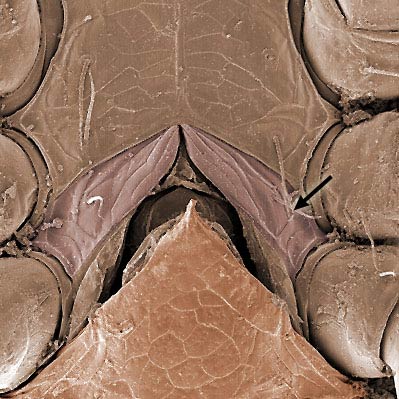
Parasitid genital-metasternal complex (DEW)
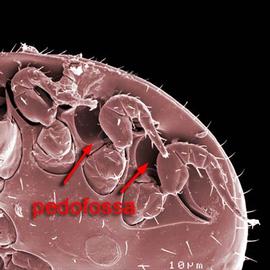
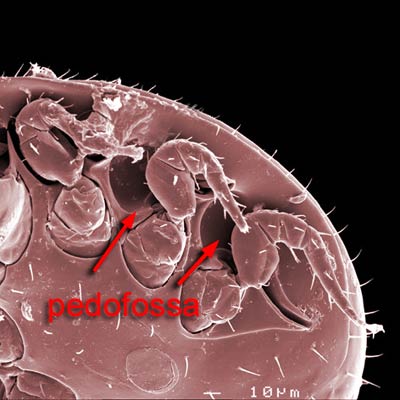
Pedofossae (DEW)
Pedofossae (DEW)
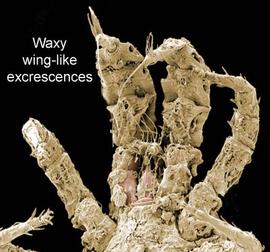
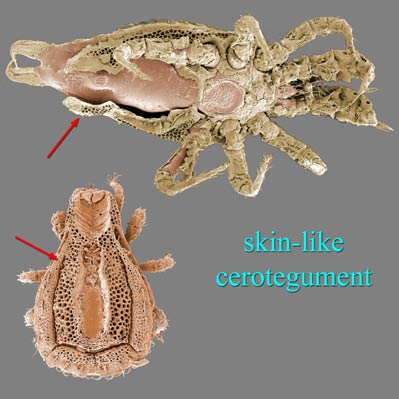
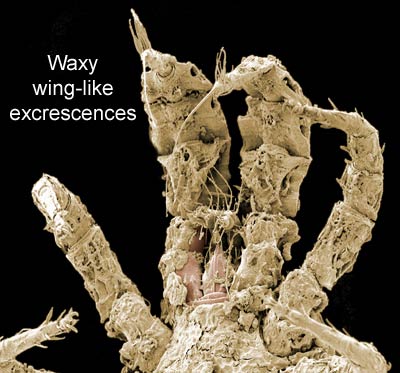
Cerotegument (DEW)
Cerotegument (DEW)
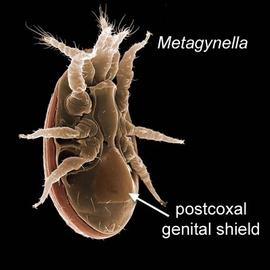
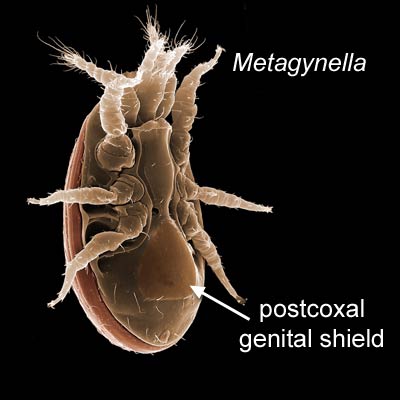
 Metagynella  (DEW)
Metagynella (DEW)
Zerconid (DEW)
Zerconid (DEW)
Ameroseiid (DEW)
Ameroseiid (DEW)
 Phytoseius  (DEW)
Phytoseius (DEW)
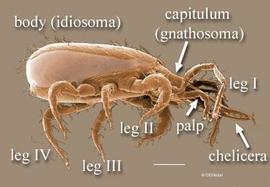
Capitulum exposed,  Amblyseius  (DEW)
Capitulum exposed, Amblyseius (DEW)
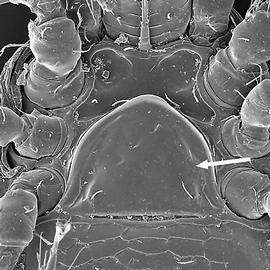
Genital shield truncate;  Neoseiulus  (DEW)
Genital shield truncate; Neoseiulus (DEW)
  Phytoseiulus  (DEW)
Phytoseiulus (DEW)
Ameroseiid (DEW)
Ameroseiid (DEW)
Ameroseiid (DEW)
Ameroseiid (DEW)
Macrochelid (DEW)
Macrochelid (DEW)
Laelapid ( Stratiolaelaps ) (DEW)
Laelapid (Stratiolaelaps) (DEW)
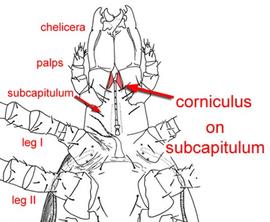
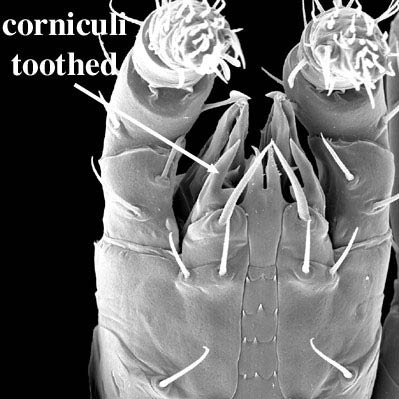
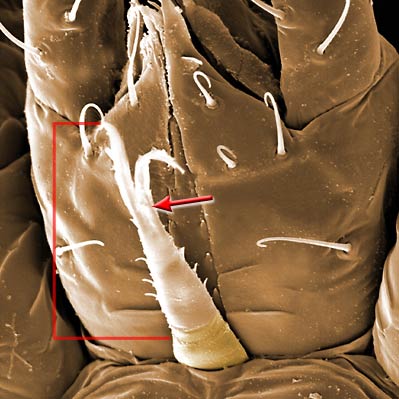
Corniculi (DEW)
Corniculi (DEW)
Ologamasid (DEW)
Ologamasid (DEW)
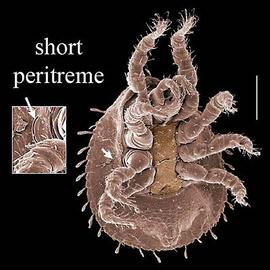
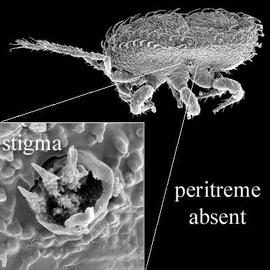
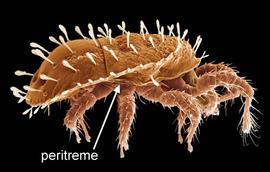
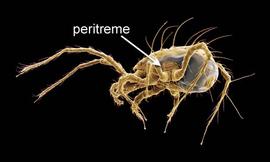
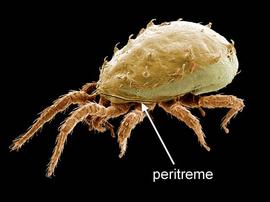
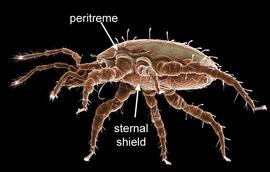
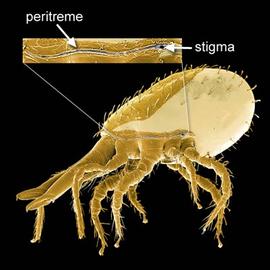
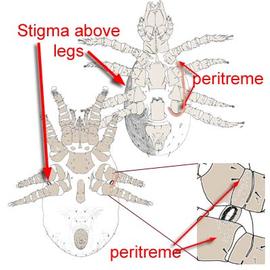
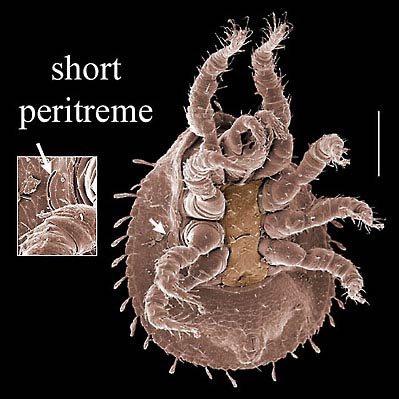
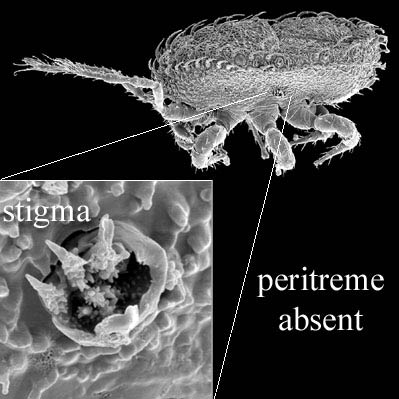
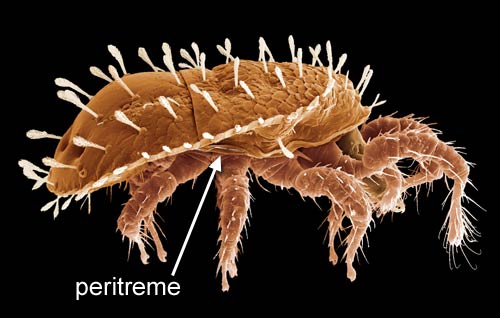
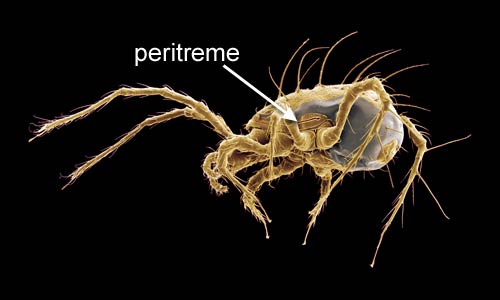
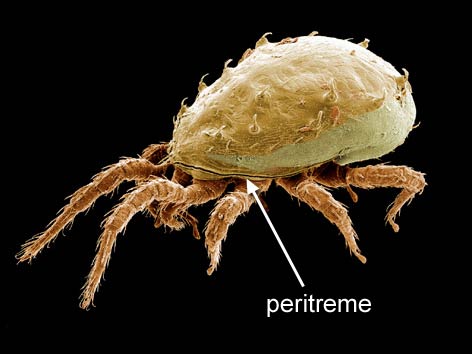
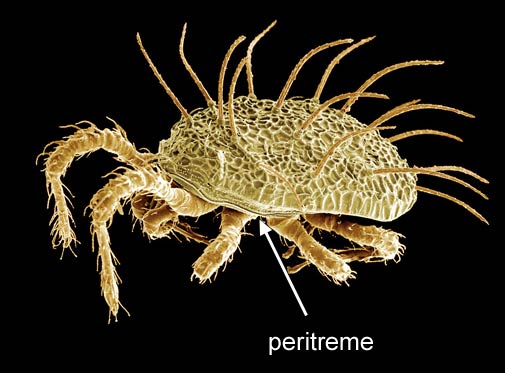
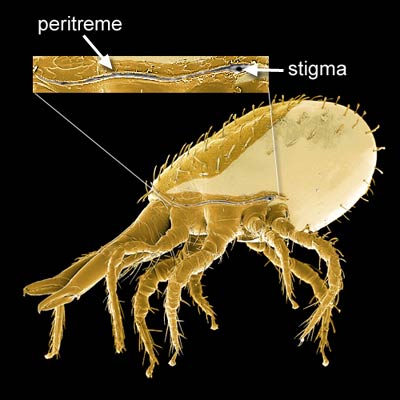
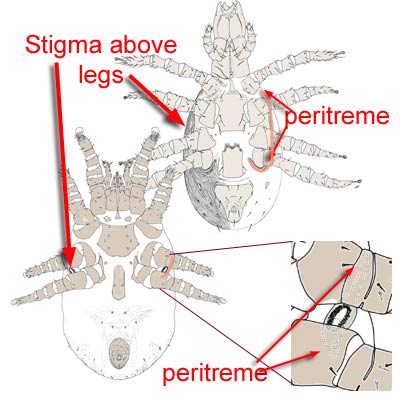
Peritremes (DEW)
Peritremes (DEW)
Subcapitular gutter (DEW)
Parholaspidid (DEW)
Parholaspidid (DEW)
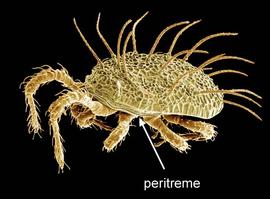
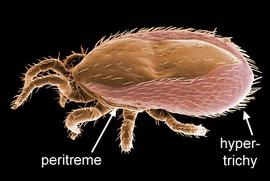
Hypertrichous; Macronyssid (DEW)
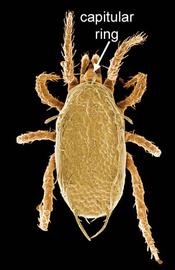
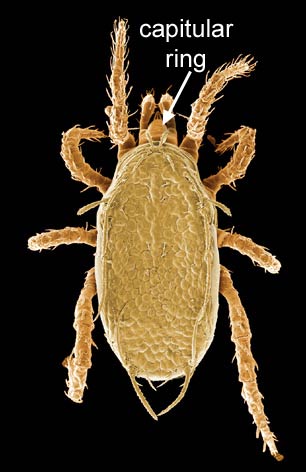
Female uropodid mite (DEW) with capitulum hidden under vertex
Uropodine (DEW)
Uropodine (DEW)
Eviphidid (DEW)
Eviphidid (DEW)
Ant parasite (Laelapidae) (DEW)
Genital shield extending over venter and incorporating ventral setae,  Neoseiulus  (DEW)
Genital shield extending over venter and incorporating ventral setae, Neoseiulus (DEW)