test
Trigynaspida Camin & Gorirossi, 1955
Superorder Parasitiformes » Order Mesostigmata » Suborder Trigynaspida
infraorders: Antennophorina, Cercomegistina
trigynaspids, cercomegistines, antennophorines
low to medium
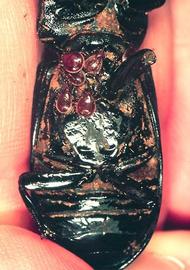
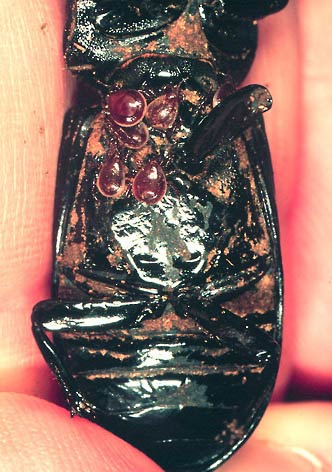
Most are rare and have unknown ecologies; however, many trigynaspids are associated with insects, including species parasitic on ants, and a few are associated with snakes and lizards. None are known to be pests of crops or parasites of livestock or domestic animals.
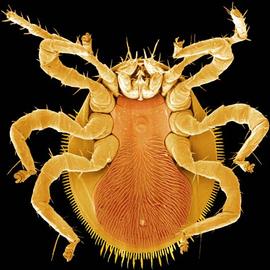
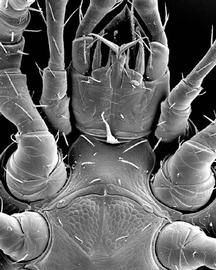
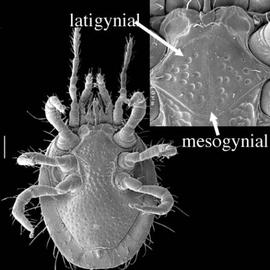
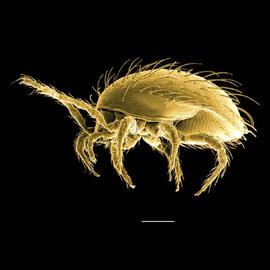
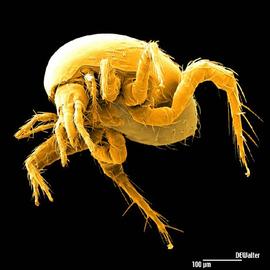
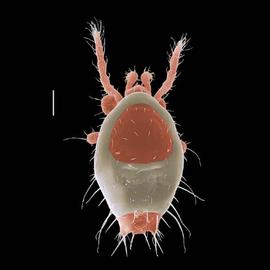
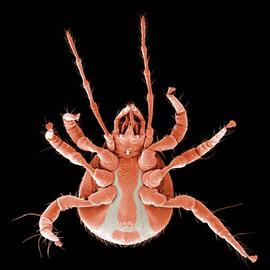
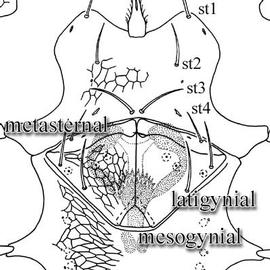
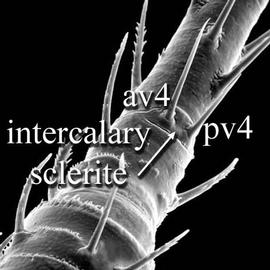
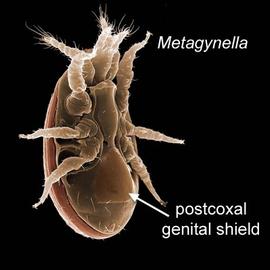
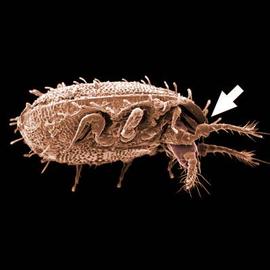
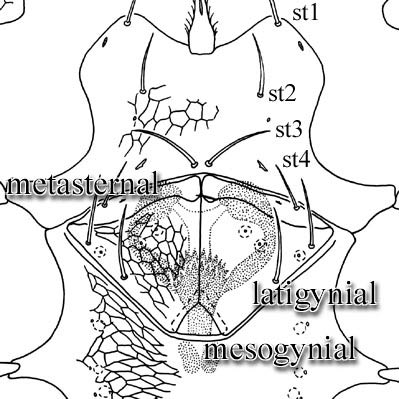
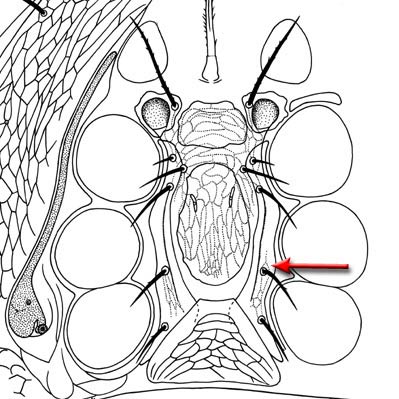
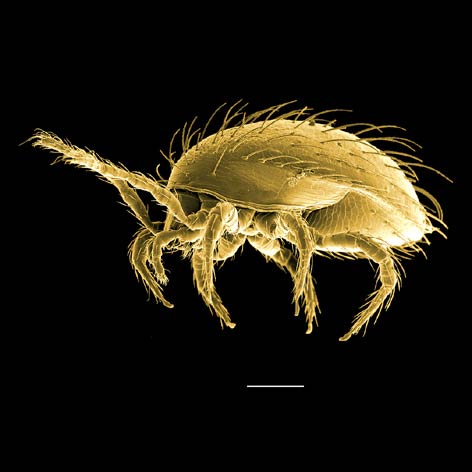
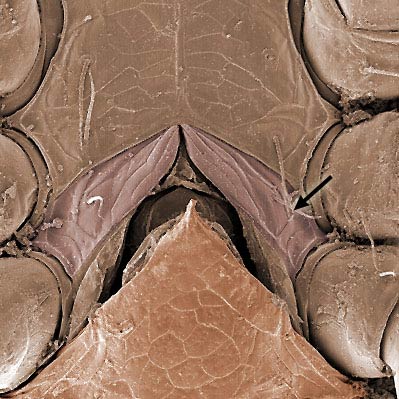
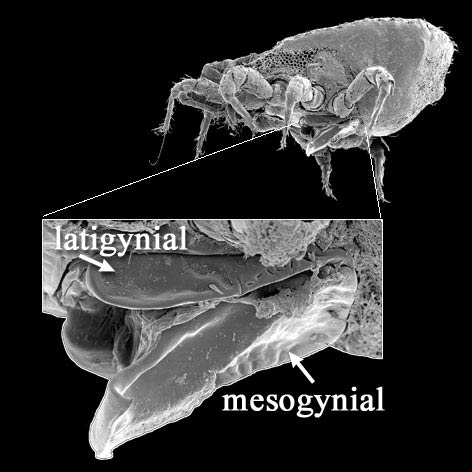
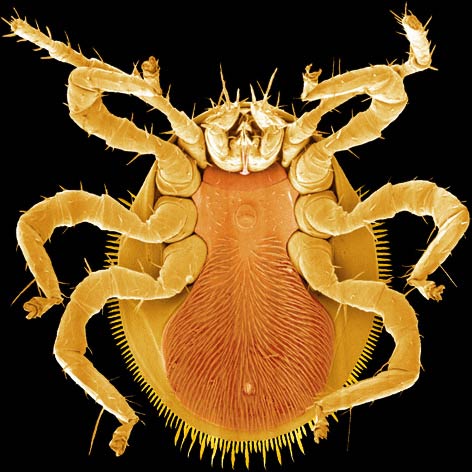
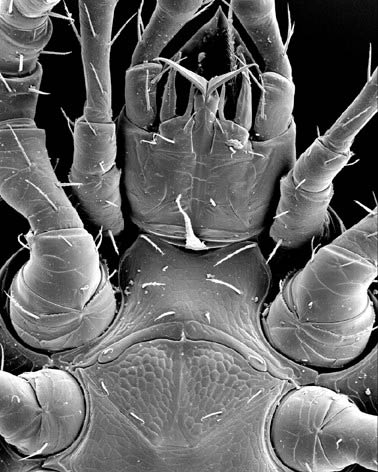
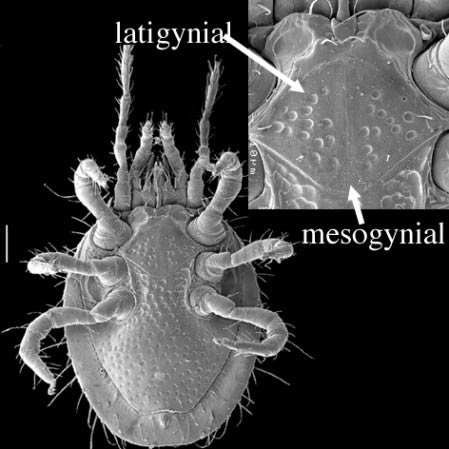
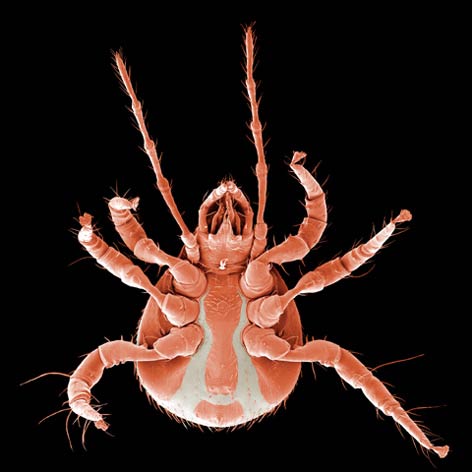
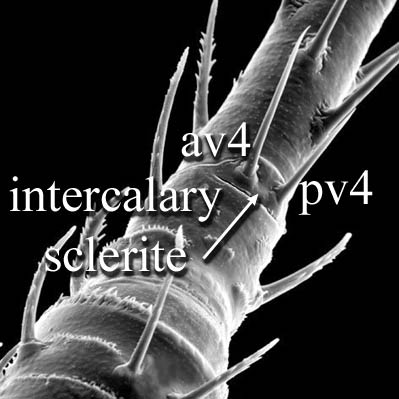
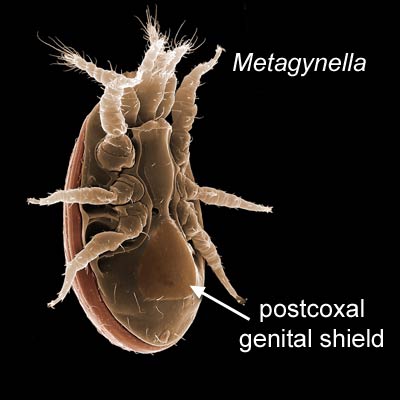
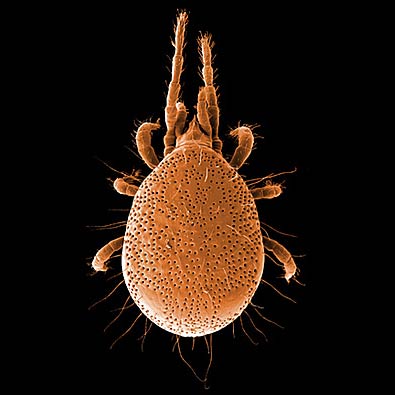
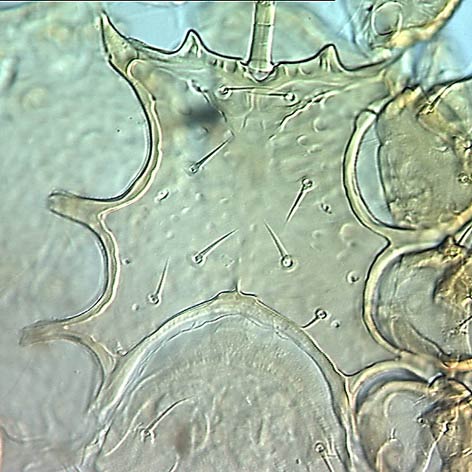
Mesostigmata with the adult female genital region having 2–4 shields or their remnants: mesogynial shield often reduced, without setae, latigynial shields often well developed (1- several pairs of setae); pregenital shield (sternogynium) free, fused to sternal elements, or absent (with 0–1 pair of setae). Tarsus IV with intercalary sclerite bearing setae av4/pv4.
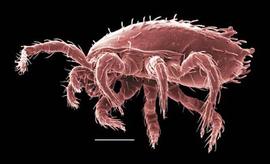
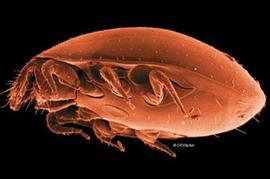
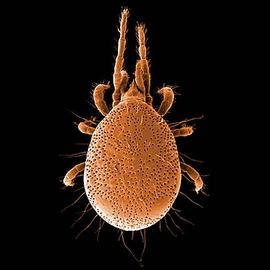
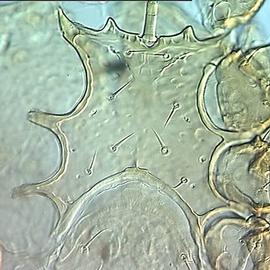
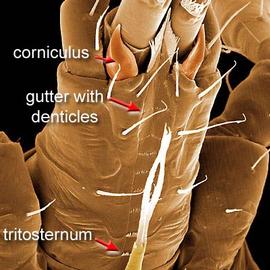
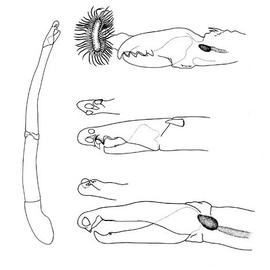
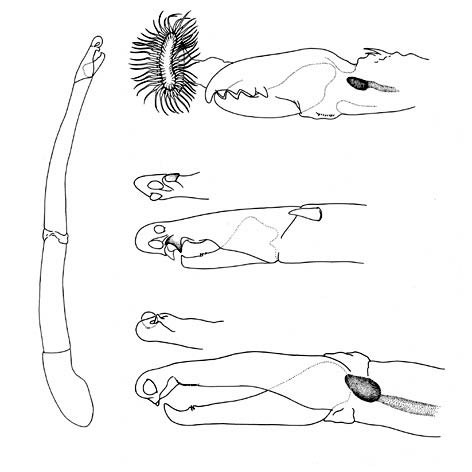
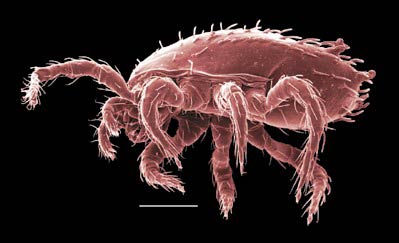
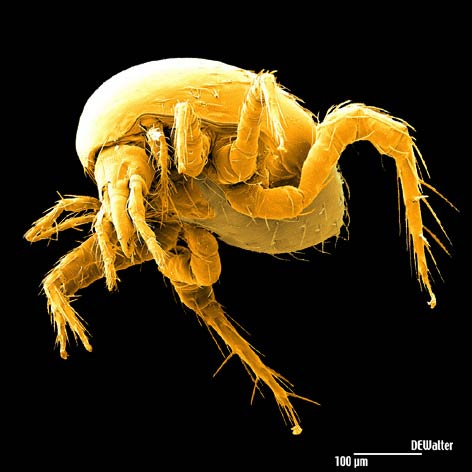
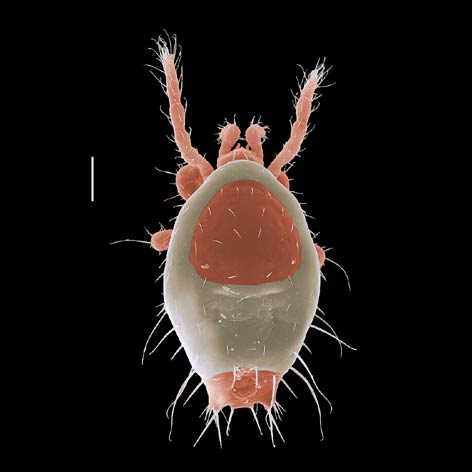
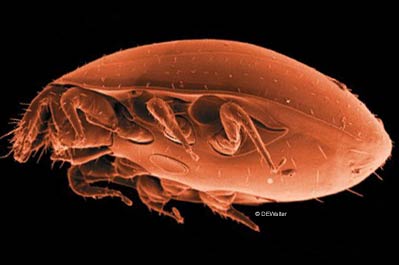
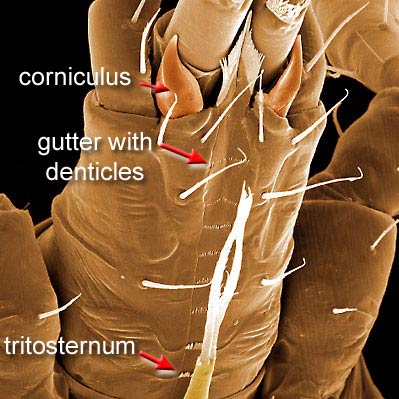
Body often with moderate hypertrichy and separate podonotal and opisthonotal shields or holodorsal shield, rarely with opisthonotal region with separate mesonotal and pygidial elements. Venter usually with large ventrianal or genitoventral shield, rarely with small anal shield; sternal shield well developed to fragmented. Tarsus I with or without claws. Unpaired, postanal seta usually present in larva, but absent in adult. Chelicerae chelate-dentate to edentate; movable digit with 1–3 brush-like, mop-like or dendritic excrescences; palp genu with 5–7 setae. Male genital opening intercoxal or at base of tritosternum; spermatodactyl absent.
Parasitina (Mesostigmata) have enlarged metasternal shields that superficially resemble the trigynaspid condition, and some primitive Uropodina (e.g., Trachytes) do retain separate latigynial shields. However, neither of these taxa retain av4/pv4 on tarsus IV, and uropodines usually have hidden capitula and elongate chelicerae.
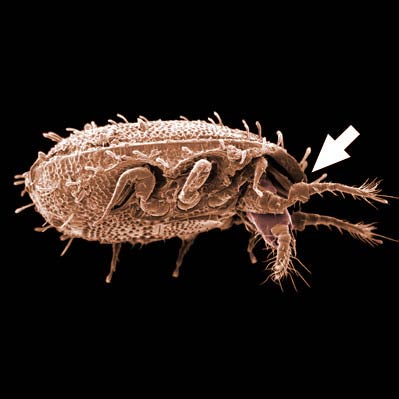
Cercomegistina are mostly free-living predators found in tropical to subtropical forest soil, decaying logs, or in beetle galleries under bark. Antennophorina are mostly insect associates as adults (usually paraphages of beetles (e.g., Passalidae, Carabidae) and millipedes or centipedes) and free-living predators in decaying logs, insect galleries or nests as immatures. However, species in at least 3 families are associated with lizards or snakes and appear to be parasites.
Author: David E. Walter
Content last updated Sept. 2006, unless indicated otherwise
Lucid key player updated Sept. 2025
idtools.org