test
Mesostigmata G. Canestrini, 1891
Superorder Parasitiformes » Order Mesostigmata
suborders: Sejida, Trigynaspida, Monogynaspida
mesostigmatans, mesostigmatid mites, mesostigmatic mites
very high
High. Including many species parasitic on mammals, birds, reptiles and social insects such as bees (eg., Varroa, Tropilaelaps), predatory mites used in biocontrol, flower mites, stored product predators, and predatory soil mites.
Very small (0.12 mm long) to large (4 mm) mites with a pair of stigmatal openings above legs III–IV usually associated with a peritrematal groove; gnathosoma with a sclerotized ring, the basis capitulum, that encompasses the bases of the chelicerae; palps with 5 (rarely 4) free segments and usually with a subdistal palp apotele; a median groove with transverse rows of 1-many denticles; horn-like, bifurcate to membranous corniculi typically present; flagellate tritosternum present except in a few parasites; coxae freely articulating with body; chelicerae 3-segmented; without prodorsal trichobothria; intercoxal region with sternal and genital shield elements; development: hexapod larva (feeding or non-feeding) and two octopod nymphal stages (protonymph, deutonymph) bearing usually lightly sclerotized dorsal, intercoxal and ventral plates; genital opening not expressed until adult stage; males never with a aedeagus, but often with chelicerae modified for sperm transfer (spermatodactyl, spermatotreme); female sperm receiving structure primary or secondary.
Key to Mesostigmata, (Monogynaspida)
Mesostigmata, (Monogynaspida) fact sheet index
Holothyrans and soft ticks have lateral stigmatal openings, but holothyrans lack the basis capitulum and ticks have a denticulate hypostome. Some Heterostigmatina are similar in shape and coloring to small mesostigmatans, but will have capitate trichobothria and a gnathosomal capsule.
Cosmopolitan. Although most species are free-living predators (including the members of the Phytoseiidae and Laelapidae used in biological control), the Dermanyssoidea contains numerous lineages parasitic on vertebrates and large or social arthropods. Many are phoretic on insects as deutonymphs or inseminated adult females. A few lineages have colonized flowers where they feed on pollen and nectar, and some species feed on fungi. With rare exceptions, most mesostigmatans are fluid-feeders.
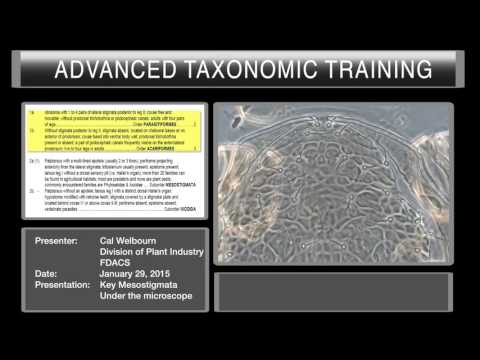
Using a dichotomous key to identify a mite specimen as Mesostigmata, part 1
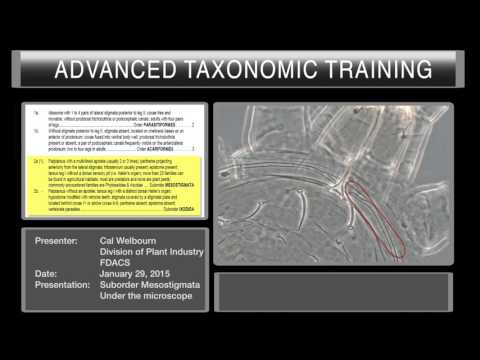
Using a dichotomous key to identify a mite specimen as Mesostigmata, part 2
Author: David E. Walter
Content last updated Sept. 2006, unless indicated otherwise
Lucid key player updated Sept. 2025
idtools.org